

FIMMA and Maderalia, the joint international trade fair for woodworking machinery and wood-based furniture supply, runs from 10 to 13 November 2026 at Feria Valencia.
The organiser is marking a 40th anniversary edition and projects more than 72,000 square metres of exhibition space, which would make it one of the largest woodworking and furniture-supply fairs in southern Europe. The previous edition drew 467 exhibiting companies and around 33,000 professional visitors, more than 3,000 of them international.
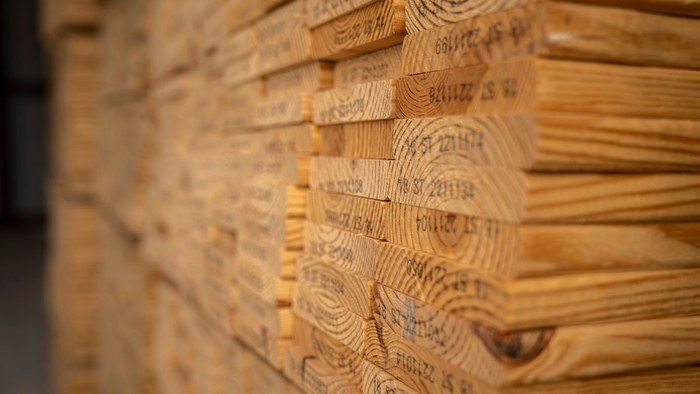
The two shows run jointly and cover complementary halves of the same value chain. FIMMA presents woodworking machinery, tooling, finishing systems and factory automation. Maderalia covers the materials side: timber, panels, components, surfaces, hardware and the interior design supply that furniture manufacturers and fit-out contractors buy.
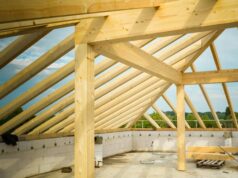
The 2026 edition extends further into industrialised and off-site construction, which is the structural shift reshaping the sector. Engineered timber products, cross-laminated panels and factory-built building elements have moved from niche to mainstream in several European markets, driven by embodied carbon requirements in building regulations and by construction labour shortages. That has pulled traditional woodworking machinery manufacturers into supplying what are effectively building component factories.
Spain's furniture manufacturing industry is concentrated in the Valencia region and in Murcia, which gives the fair a dense local base of exhibitors and visitors, while the international draw comes largely from southern Europe, North Africa and Latin America.
For buyers the practical reason to attend a combined machinery and materials fair is that the two decisions are increasingly taken together. A manufacturer moving to a new panel or surface material usually has to change tooling and finishing at the same time, and seeing both in one venue shortens that specification process considerably.
The four-day run is longer than most trade fairs of its size, which reflects the time buyers need to evaluate capital equipment rather than consumables.