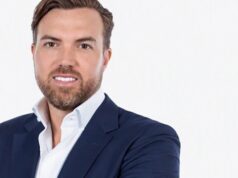


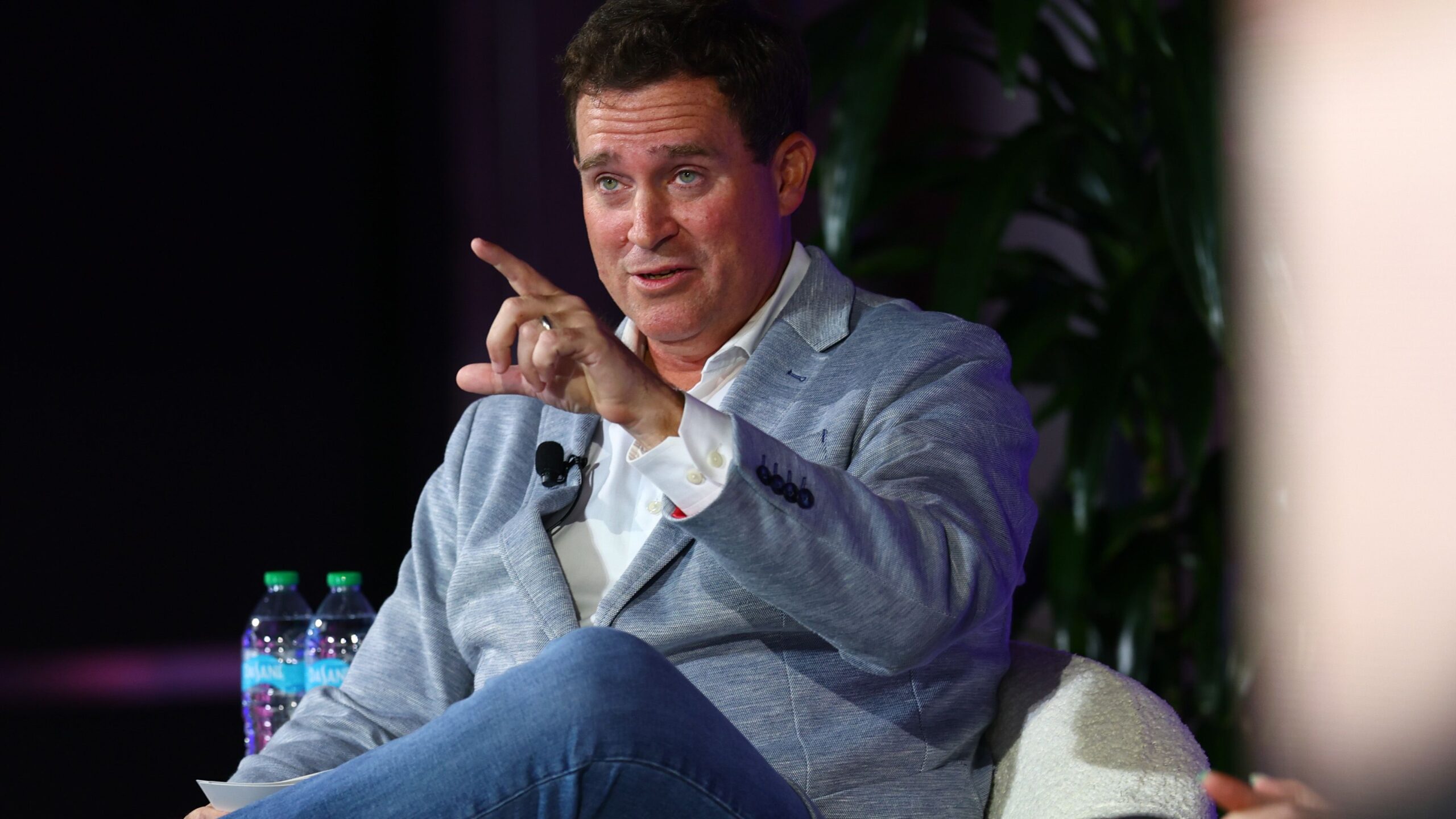
The U.S. Soccer Federation has appointed Dan Helfrich, the departing Chair and Chief Executive Officer of Deloitte Consulting LLP, as its Chief Operating Officer, effective January 1, 2026. Helfrich, 48, will oversee the federation's day-to-day operations and report directly to CEO and General Secretary JT Batson. The appointment comes at a critical juncture for American soccer, as the federation executes an ambitious transformation agenda centered on accessibility, youth development and national team performance ahead of hosting the 2026 FIFA Men's World Cup.
Helfrich retired from Deloitte in December 2025 after spending 27 years at the consulting giant, where he led a division of roughly 85,000 people generating approximately $20 billion in annual revenue. His selection for the newly created U.S. Soccer role was announced in November 2025 without public mention of a search firm. Batson, who joined U.S. Soccer as CEO in 2024, praised Helfrich's operational credentials and personal commitment to the sport. "Dan brings a rare combination of deep operational expertise, curiosity, and a lifelong passion for the game," Batson said in the federation's announcement. "His leadership and commitment to excellence will help us move faster, work smarter, and continue building the foundation for soccer's next chapter in the U.S."
Helfrich's career at Deloitte tracks a steady ascent through transformation-focused roles. He started as a consultant in 2006 and rose through the ranks, eventually leading the firm's Government and Public Services practice, a unit serving all 15 U.S. cabinet-level agencies. He was named Chief Strategy and Transformation Officer before ascending to the Chair and CEO role in June 2019. Beyond his corporate tenure, Helfrich has maintained a deep engagement with soccer that spans four decades. He captained Georgetown University's men's soccer team while earning Academic All-American honors and holds three degrees from the university including a Bachelor of Science in International Economics and an MBA. Since 2005, he has broadcast more than 250 Georgetown men's soccer matches as a play-by-play commentator alongside former teammate Tom Greaser. He also served as a volunteer chairman of the Next Gen College Soccer Committee, which released recommendations in October 2025 aimed at modernizing collegiate soccer.
U.S. Soccer has positioned itself as a federation in expansion mode. Founded in 1913 as a nonprofit governing body, the organization oversees 27 national teams across youth, senior and disability categories and serves as the sanctioning authority for professional leagues including Major League Soccer and the National Women's Soccer League. The federation unveiled its "In Service to Soccer" strategic framework in March 2025, which aims to make the sport more accessible and aligned across fractured youth development ecosystems. More recently, it launched a Pathways Strategy focused on lowering program costs, expanding access and improving player development. In January 2026, U.S. Soccer assumed operational control of US Club Soccer, an organization representing 800,000 youth participants, marking the federation's most ambitious integration effort to date. Helfrich has already begun implementation, stating that U.S. Soccer "exists in service to every player, coach, and referee in this country."
Helfrich's appointment signals the federation's intent to apply Fortune 500 operational discipline to a sport where development remains fragmented across club systems, state associations and professional leagues. His background in government and public services transformation, combined with his deep personal stake in soccer's growth, positions him to address structural inefficiencies that have long plagued youth participation. The federation's recent acquisition of US Club Soccer's operational functions represents precisely the kind of enterprise integration Helfrich managed at Deloitte. However, the federation faces execution risks; unifying American soccer's ecosystem requires stakeholder buy-in from deeply entrenched commercial and amateur actors accustomed to autonomy. Helfrich's success will ultimately depend on whether his consulting-world expertise translates to a governance structure where power is diffused across members and federation leadership operates consensus-based. His immediate priorities likely include postseason organizational planning, implementing college soccer recommendations, and demonstrating cost savings from the US Club Soccer merger to justify continued federation control.