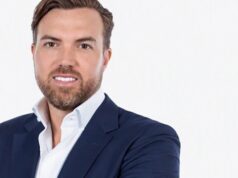


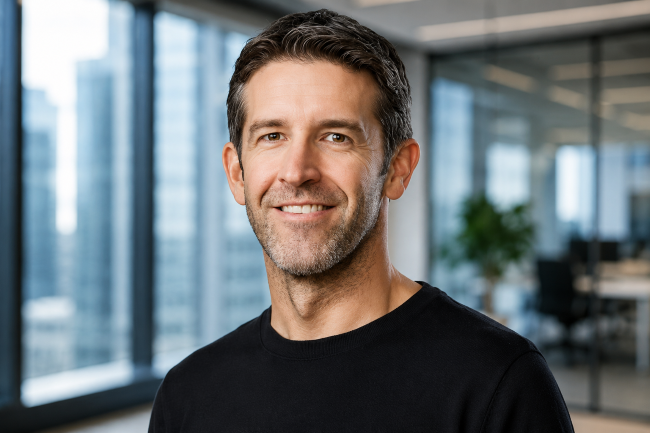
Apple Inc. on April 20, 2026, announced that John Ternus, the company's senior vice president of hardware engineering, will become chief executive officer effective September 1, 2026, succeeding Tim Cook. Cook, 65, will transition to executive chairman of the board, a newly created position from which he will engage with policymakers and assist with company strategy. The appointment concludes more than 14 months of succession planning following deliberations that intensified in late 2025 as Cook approached the traditional retirement age for Apple's top executives. The board of directors approved the transition unanimously.
Ternus emerged as the leading internal candidate after significant leadership reshuffles cleared potential rivals from contention. Chief Operating Officer Jeff Williams, long considered a succession contender, stepped down from operational responsibilities in July 2025 and retired later in the year. Chief Financial Officer Luca Maestri departed from his role at the start of 2025, moving into a corporate services position. These departures accelerated Ternus's ascent within Apple's power structure. Cook publicly expressed confidence in his protégé, describing Ternus as someone with the "mind of an engineer, the soul of an innovator, and the heart to lead with integrity and honor." No external search firm was involved in the selection process, reflecting Apple's tradition of internal promotion from its executive ranks.
Ternus brings 25 years of engineering experience at Apple, having joined the company in 2001 as a member of the product design team working on the Apple Cinema Display. He holds a bachelor's degree in mechanical engineering from the University of Pennsylvania, where he competed on the men's swimming team and developed a mechanical feeding arm for individuals with quadriplegia as his senior project. Before Apple, he worked as a mechanical engineer at Virtual Research Systems, a company focused on virtual reality headsets. His ascent at Apple accelerated through the 2010s. In 2013, he became vice president of hardware engineering under Dan Riccio, overseeing AirPods, Mac, and iPad. In 2020, he assumed charge of iPhone hardware development. Promoted to senior vice president of hardware engineering in 2021 when he replaced Riccio, Ternus later took on Apple Watch hardware responsibilities. Bloomberg News described him as the "youngest member of Apple's executive team" and "charismatic and well-liked." He has overseen hardware engineering for virtually every major product in Apple's portfolio, from iPhone to iPad to AirPods to Apple Vision Pro.
Apple, valued at approximately 4 trillion dollars at the time of the announcement, generates the majority of its revenue from the iPhone business. Under Cook's 15-year tenure as CEO, Apple's market capitalization increased from roughly 350 billion dollars to 4 trillion dollars, positioning it as one of the world's most valuable companies. The company operates in a fiercely competitive technology landscape where software, artificial intelligence, and new product categories increasingly define competitive advantage. Apple has faced criticism from analysts and observers for lagging rivals in generative artificial intelligence development, with its Siri assistant facing delays and requiring partnerships with Google for AI capabilities.
Ternus's appointment signals Apple's strategic bet on hardware-led innovation as the company navigates intensifying competition in artificial intelligence and emerging product categories. At 50 years old, he matches the age Cook was when he assumed the CEO role in 2011, positioning him for potentially a decade or more of leadership. His pure engineering background contrasts with Cook's supply-chain expertise and operations focus, suggesting that Apple's board believes renewed emphasis on hardware design and product innovation represents the company's best path forward. The internal promotion also reflects Apple's cultural preference for stability and continuity. However, analysts caution that Ternus faces substantive strategic challenges beyond product design, including revamping Apple's artificial intelligence capabilities to match competitors, managing complex geopolitical relationships and regulatory pressures that Cook cultivated over years, and navigating Apple's manufacturing dependencies on China amid escalating trade tensions. Whether his technical expertise and 25-year institutional knowledge will prove sufficient to address these broader business challenges remains an open question for investors and industry observers.