

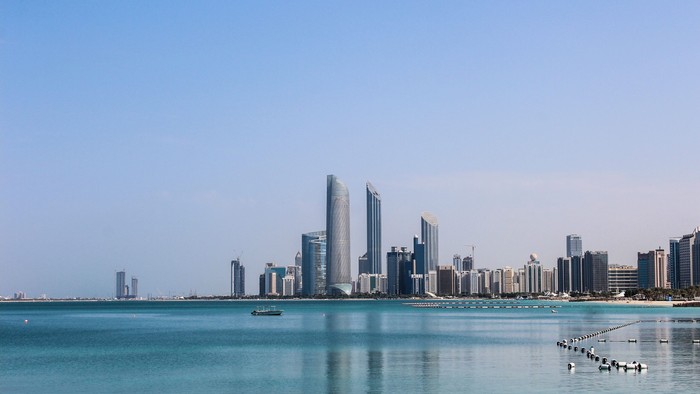
Temasek Holdings will open its first offices in the Middle East, in Riyadh and Abu Dhabi, the Singapore state investor said on 30 September. Both are expected to open in the first half of 2027, subject to statutory approvals, and will take Temasek to 15 offices across 11 countries.
Temasek reported a net portfolio value of 518 billion Singapore dollars, about 401 billion US dollars, at the close of its most recent financial year. It is one of the largest single pools of patient capital in Asia, and until now it has engaged the Gulf without a permanent presence on the ground.
The mandate was built before the offices
The expansion follows a leadership change that was made first. Chia Song Hwee, Chief Executive Officer of Temasek Global Investments, took on the additional role of Chairman, Middle East and Africa on 1 September 2026. Ankit Khemka is Managing Director for the region. Dilhan Pillay Sandrasegara remains Chief Executive Officer of Temasek Holdings.
Chia has framed the move as strengthening engagement with existing partners and improving access to investment opportunities for Temasek and its portfolio companies across the region, and onward into Central Asia and Africa. Temasek says it is also engaging institutions in Qatar, without announcing an office there.
Capital flowing the other way
The significance is directional. Gulf sovereign funds have spent a decade deploying capital outward into Asia, Europe and the United States, and the Gulf has been understood by most global investors as a place to raise money rather than a place to invest it. Temasek putting investment professionals in Riyadh and Abu Dhabi, with a regional chairman appointed a month ahead of the announcement, says it now intends to originate deals there.
Read alongside other recent platform openings in Abu Dhabi Global Market, the pattern is consistent: the Gulf is becoming a place where global allocators staff a desk rather than book a flight. For boards of regional companies seeking growth capital, it widens the field of institutional investors who can act locally and quickly.
Temasek's stated rationale is the region's broad economic transformation and the national diversification programmes driving it, which is also the thesis underwriting most of the capital now arriving.