

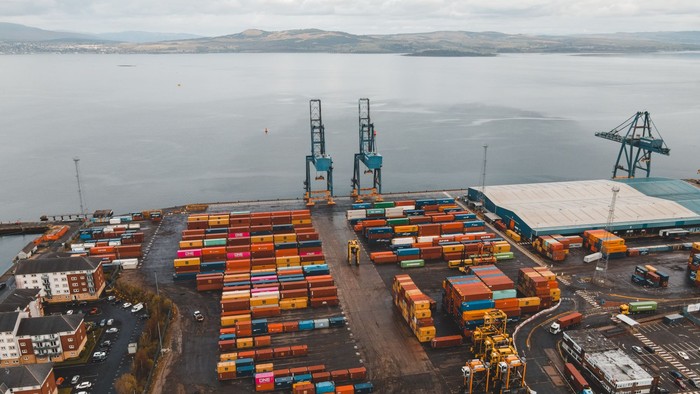
L'imad, the Abu Dhabi sovereign investor, is set to raise its holding in AD Ports Group to more than 98.5 per cent, all but removing the ports and logistics operator's free float. The move was disclosed on 16 September 2026 through a filing to the Abu Dhabi Securities Exchange.
L'imad holds 75.42 per cent of AD Ports through ADQ. It launched a tender offer in August at 6.25 dirhams a share, and acceptances had exceeded 23.08 per cent by the middle of September. Settlement and share registration were due by the start of October. The filing stated that all conditions of the offer had been satisfied other than customary notifications to the Capital Market Authority and the exchange. Jassem Al Zaabi is managing director and group chief executive of L'imad.
AD Ports operates around forty terminals in the United Arab Emirates and has a presence in close to fifty markets.
This is the second Abu Dhabi national champion taken to near total sovereign ownership in two months, following the same investor's move to full ownership of Taqa. Taken together the two transactions describe a deliberate change of approach rather than two opportunistic buyouts.
The argument for it is straightforward. Both companies are building out long duration infrastructure, ports and terminals in one case and generation and transmission in the other, on investment horizons that sit awkwardly with quarterly reporting and with a minority shareholder base that can price a project only on what it is told. Taking them private removes that friction and lets capital allocation be decided on strategic grounds.
The cost is borne by the exchange. Each of these companies was a substantial component of the Abu Dhabi index, and withdrawing their free float reduces the investable market precisely as the emirate has been trying to deepen it. Index providers weight by free float rather than by market capitalisation, so the effect on foreign passive allocation is immediate and larger than the headline numbers imply.
The open question is whether this is a pattern that continues. If the test is simply whether an asset is strategic infrastructure, the Abu Dhabi market has several more candidates that would meet it.