

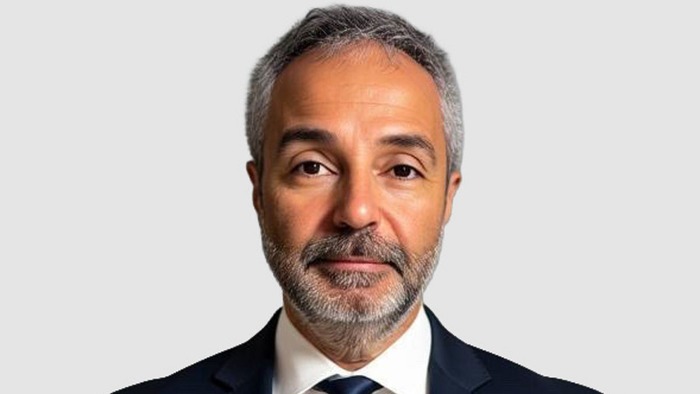
KPMG Middle East has appointed Tareq Dreiza chief artificial intelligence officer, a partner level role the firm confirms on its own website as having begun in October 2026.
Dreiza moves up from head of artificial intelligence and technology enablement within the firm's advisory practice, where he was responsible for the deployment of the technology into client engagements. The new title gives him the same remit across the member firm as a whole rather than within a single service line.
The appointment belongs to a category that barely existed in professional services two years ago and is now close to standard. The large accounting and consulting networks have each created a single accountable owner for artificial intelligence, for two reasons that pull in opposite directions. The first is commercial: advisory revenue tied to the technology is the fastest growing line most of them have. The second is defensive: audit and assurance work carries regulatory obligations that make unsupervised use of generative tools a serious risk, and somebody has to own the line between the two.
That tension is sharper in the Gulf than in most markets. Saudi Arabia and the United Arab Emirates have both committed state capital to artificial intelligence infrastructure at a scale that has pulled forward client demand well ahead of the governance frameworks around it, and the national data protection regimes in both countries are recent enough that practice is still settling.
Promoting from within the advisory practice rather than hiring a technologist from outside suggests KPMG has concluded the job is as much about how the firm sells and governs the work as about the underlying systems.
The firm did not say whether the role carries responsibility for its internal deployment as well as client facing work.
Dreiza's previous remit, running artificial intelligence and technology enablement inside the advisory practice, means he arrives having already built the delivery capability rather than having to acquire it. The step up is in scope rather than in subject.
The member firm structure makes the role harder than the equivalent at a single corporate. KPMG Middle East spans several national practices with their own regulators, their own data residency obligations and their own client bases, and a technology standard that works in one may be unusable in another. A firm wide officer has to produce something that satisfies the strictest of them without pricing the firm out of the others.
The commercial pressure behind the appointment is visible in the regional market. Both Saudi Arabia and the United Arab Emirates have committed state capital to data centre and model infrastructure, and that has pulled client spending forward into advisory engagements on strategy, governance and implementation. Consulting revenue tied to the technology is now among the fastest growing lines the large firms report.
Against that sits the assurance side of the house, where the use of generative tools in audit evidence remains tightly constrained and where a misstep carries regulatory rather than commercial consequences. Owning both sides of that boundary is the substance of the job.