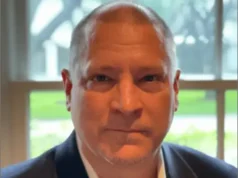


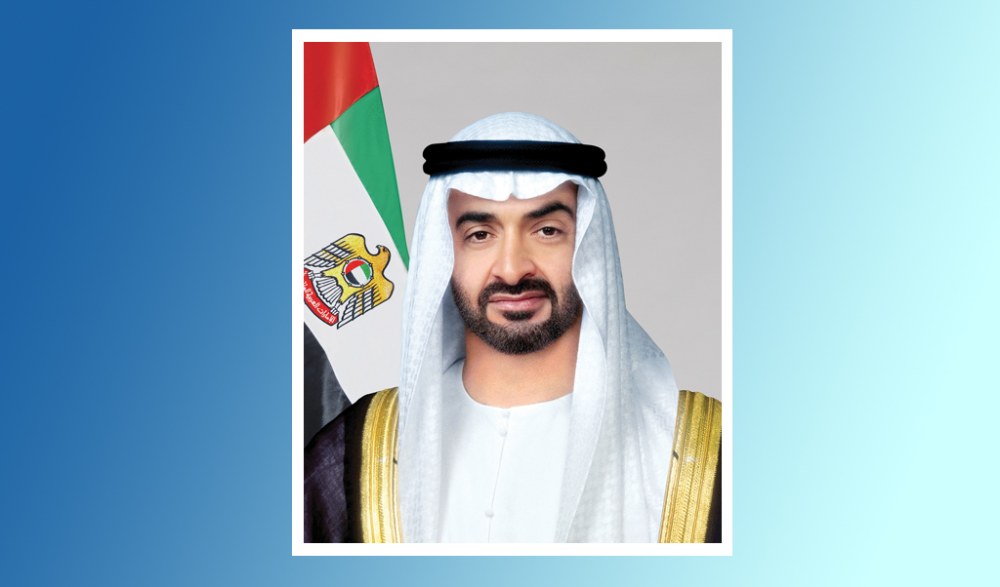
UAE President His Highness Sheikh Mohamed bin Zayed Al Nahyan has appointed Abdulla bin Mohammed bin Butti Al Hamed as Chairman of the National Media Authority, with Mohammed Saeed Al Shehhi taking the role of Vice Chairman, effective January 6, 2026. The dual appointments, announced via federal decrees, signal a strategic consolidation of the country's media governance architecture at a critical juncture when digital platforms and artificial intelligence are reshaping global information flows and state narratives. The creation of the unified National Media Authority represents a significant structural shift from the previously fragmented system of the National Media Office and UAE Media Council.
Al Hamed's elevation to chairman from his concurrent roles as head of the National Media Office and chairman of the UAE Media Council marks an organizational restructuring that commenced in December 2025 when the federal government issued a decree-law establishing the new authority. In remarks commenting on his appointment, Al Hamed described the National Media Authority not merely as a regulatory body but as a catalyst for unifying the national voice and strengthening the UAE's global standing through forward-looking vision rooted in national identity. He emphasized that the authority would focus on developing a professional and advanced media ecosystem capable of keeping pace with rapid digital transformation, innovation in content production, and international competitiveness. No external search firm involvement has been disclosed in connection with either appointment.
Al Hamed, born February 23, 1973, brings more than two decades of senior government and administrative experience across multiple strategic sectors. Beyond his media roles, he has served as chairman of Abu Dhabi's Energy Authority and Regulation and Supervision Bureau, a member of the Abu Dhabi Supreme Petroleum Council, and chairman of the Abu Dhabi Department of Health. Between 2012 and 2014, he held diplomatic experience as undersecretary at the Ministry of Foreign Affairs, heading the European Affairs Department. Al Shehhi, the newly appointed vice chairman, brings operational media experience from prior roles including deputy chief executive at Dubai Media Incorporated starting in 2008, senior director of broadcast services at telecommunications company du, and chief executive at Dubai Design District before his March 2023 appointment as secretary-general of the UAE Media Council. Al Shehhi studied at the University of Sharjah and University of Leeds in the United Kingdom.
The National Media Authority operates as a federal public entity under the UAE Cabinet headquartered in Abu Dhabi. Its statutory responsibilities encompass oversight and regulation of the media sector, shaping national media policy, developing professional standards, building national media talent, and managing the Emirates News Agency (WAM) as the official channel for news collection, distribution and international outreach. The authority maintains broad powers including the ability to establish or hold shares in companies, accredit foreign media representatives, and represent the UAE in regional and international media forums. This institutional framework reflects a comprehensive regulatory approach to media governance that integrates policy, regulation and national messaging under unified command.
The appointments appear strategically timed to address what officials view as converging challenges from digital disruption, cross-border media flows, and geopolitical volatility. Both executives' backgrounds suggest complementary leadership orientations; Al Hamed's tenure spans regulatory bodies where state interest and development priorities intersect, while Al Shehhi's experience centers on operational and technical media infrastructure. This pairing indicates the UAE intends to balance strategic vision with administrative execution capacity in restructuring how the state manages its information architecture. The emphasis Al Hamed placed on professional standards, youth development, and international partnerships suggests the authority will pursue competitive positioning alongside regulatory control, positioning the UAE's media sector as both a governance instrument and a potential economic asset in the region's creative economy.