

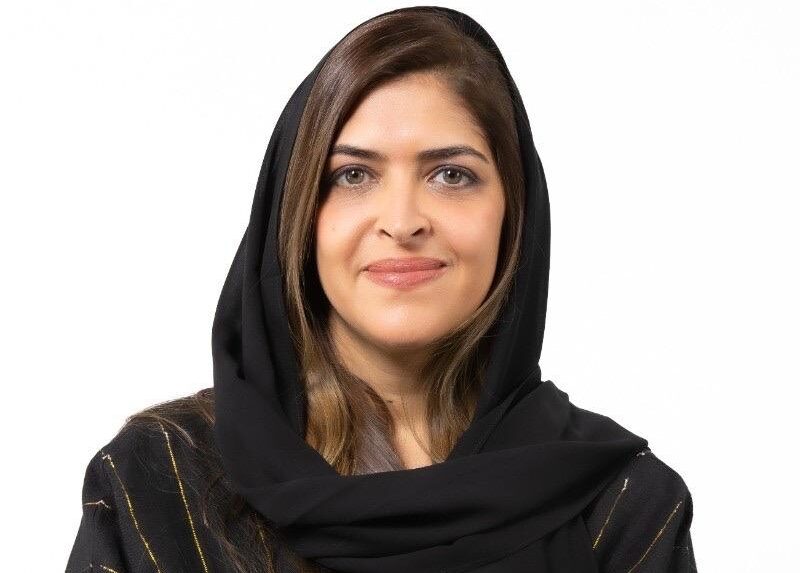
The Saudi Red Sea Authority has appointed Dr. Maryam Ali Ficociello as Chief Executive Officer, effective 22 March 2026, the regulator announced on 5 March from Riyadh. The appointment places a governance and sustainability specialist at the head of the body charged with regulating and enabling navigational and marine tourism across the Kingdom’s Red Sea coast, as Saudi Arabia’s coastal tourism ambitions move from construction toward operation.
The Saudi Red Sea Authority said the appointment marks a new phase in its mandate, alongside its commitment to safeguarding the marine environment and supporting sustainable investment and growth. “It is an honor to join the Saudi Red Sea Authority at this pivotal stage in its journey,” Ficociello said in the announcement. “SRSA has a critical role in enabling a world-class coastal tourism sector that is safe, well-governed, and investment-ready, while protecting the Red Sea’s unique marine ecosystems. I look forward to working with our stakeholders across government and industry to strengthen regulatory excellence, embed sustainability and resilience across the sector, and advance the Kingdom’s ambitions for responsible coastal tourism and the Blue Economy.”
Ficociello brings more than two decades of leadership experience spanning governance, risk management, resilience and compliance across public and private sectors, including state-owned entities. She joins from Red Sea Global, where as Group Chief Governance Officer she led the Governance, Risk and Compliance Division and advised on sustainability and ESG matters. She was a Founding Member and Secretary of the Executive Committee for the Oversight of the Sustainability of the Red Sea, has represented the Kingdom at the UN Climate Change Conference and the UN Ocean Conference, and led the Saudi Ocean 20 delegation to the G20. A dedicated sailor and avid diver, she has contributed to sustainability targets under the Saudi Green Initiative.
The Saudi Red Sea Authority began its work in 2021 to build and regulate the Kingdom’s coastal tourism sector, coordinating between entities through licensing and permits, developing policies and strategies, and determining infrastructure requirements, while prioritising the marine environment and investment enablement. The authority also expressed its appreciation to outgoing Chief Executive Officer Mohammad Ali Al-Nasser for his leadership over the past four years, during which he supported the establishment of its operating model and advanced its regulatory and institutional capabilities.
The choice of a chief executive whose record sits at the intersection of governance and marine sustainability is a reasonable indication of the regulator’s priorities: as Red Sea tourism capacity comes online, the authority’s value to investors rests on regulatory certainty, and its licence to grow rests on demonstrable protection of the ecosystems that make the destination viable. Her Red Sea Global background suggests close familiarity with the developers she will now regulate, an asset for coordination, though the authority has not commented on how it manages that proximity.