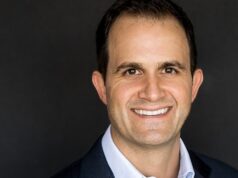


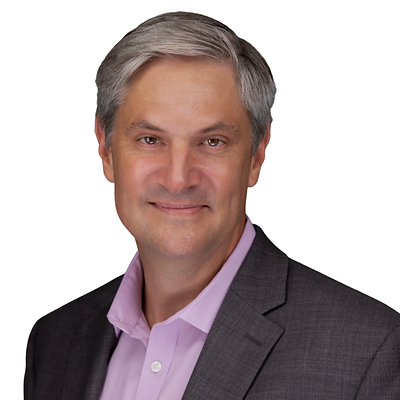
John Mumm, a three-decade immunology innovator and serial founder with an extensive track record in precision medicine and cytokine therapeutics, has been appointed Chief Scientific Officer of ChronicleBio, the San Francisco-based techbio startup focused on unraveling the molecular basis of neuroimmune disorders. The appointment, announced on June 11, 2026, pairs Mumm with Yambazi Banda, Head of Platform, to form the scientific leadership core of a company building computational infrastructure to end trial-and-error medicine for patients with conditions including ME/CFS, Long COVID, and POTS.
The appointment signals ChronicleBio's ambition to move beyond data aggregation toward mechanistic disease understanding and targeted therapeutic development. Mumm brings a philosophy honed across immunotherapy programs at major pharmaceutical companies and his own ventures: that clinical diagnostic labels typically obscure multiple mechanistically distinct diseases, and that the right patient stratification can transform response rates from 20 percent to 70 percent. ChronicleBio's founding premise directly mirrors this insight, addressing what the company describes as the defining failure mode in chronic disease research: the absence of mechanism-anchored patient stratification that renders clinical trials inherently underpowered. The company did not disclose involvement of a search firm in the recruitment.
Mumm earned his bachelor's degree from Menlo College, an MS from Stanford University, and both an MS and PhD in cancer biology from MD Anderson Cancer Center, where he discovered that IL-10 directly activates anti-tumor CD8+ T cells. His career spans foundational research, drug development, and entrepreneurship. He founded Targenics in the 1990s, which merged with ARMO BioSciences, a company later acquired by Eli Lilly for $1.6 billion in 2018; at ARMO, he played a central role in developing pegylated IL-10 (AM0010), a first-in-class immunotherapy now in clinical trials. He subsequently founded Deka Biosciences in 2018 with Pavel Khrimian, developing the Diakine platform of engineered dual-cytokine therapeutics for cancer and inflammatory disease; under his leadership, Deka advanced from inception to FDA clearance for Phase 1 clinical trials within 18 months of Series A funding and completed a 39-patient basket trial in 12 months. His professional roles also include senior positions at MedImmune, Merck Research Labs, and Schering-Plough, spanning CAR-T development, inflammasome-based neoantigen screening, and novel cytokine-based therapeutics. He is the author of more than 30 peer-reviewed publications and holds multiple patents.
ChronicleBio was founded in 2025 by Fidji Simo (co-founder, currently CEO of AGI Deployment at OpenAI), Rohit Gupta (co-founder and CEO, a biobanking and precision medicine leader formerly at Stanford and UCSF), and Rishi Reddy (co-founder and Executive Chairman). The company officially launched in August 2025 with a mission to build an AI-ready, multi-omic data platform for neuroimmune disorders affecting an estimated 300 million people globally. It integrates biobanking, advanced computational biology, and translational science to identify biologically coherent patient subgroups through whole-genome sequencing, epigenetics, RNA sequencing, immune profiling, proteomics, and metabolomics. The company has raised $5.36 million from investors including Electric Capital, Tarsadia Investments, and Wisdom Ventures Fund. Banda, Head of Platform, is a Rhodes Scholar holding a D.Phil. in Particle Physics from Oxford who previously led population-scale genomics work at UCSF and Ancestry.com and oversaw NGS pipeline development in gene and cell therapy at Ambys Medicines.
The Mumm appointment reflects a strategic recalibration at ChronicleBio, shifting emphasis from foundational data infrastructure toward translational science and therapeutic hypothesis generation. ChronicleBio's founding team includes entrepreneurs from technology (Simo's background scaling consumer-facing platforms) and precision medicine (Gupta's biobanking experience), but the company arguably lacked deep drug development expertise until now. Mumm's three-decade tenure across pharma majors and biotech ventures, coupled with demonstrated ability to advance cytokine therapies from bench to clinic rapidly, suggests ChronicleBio intends to move beyond being a data provider and toward being a therapeutic engine. The appointment may also signal confidence among the company's leadership that the chronic disease space, long written off by traditional pharma as intractable, represents a genuine molecular problem susceptible to rational drug targeting when informed by mechanistic patient stratification. Whether such optimism is warranted remains empirically unproven; the appointment of a seasoned immunologist as CSO effectively bets that ChronicleBio's computational infrastructure can generate actionable biomarkers and disease subtype definitions that have eluded traditional epidemiological approaches.