


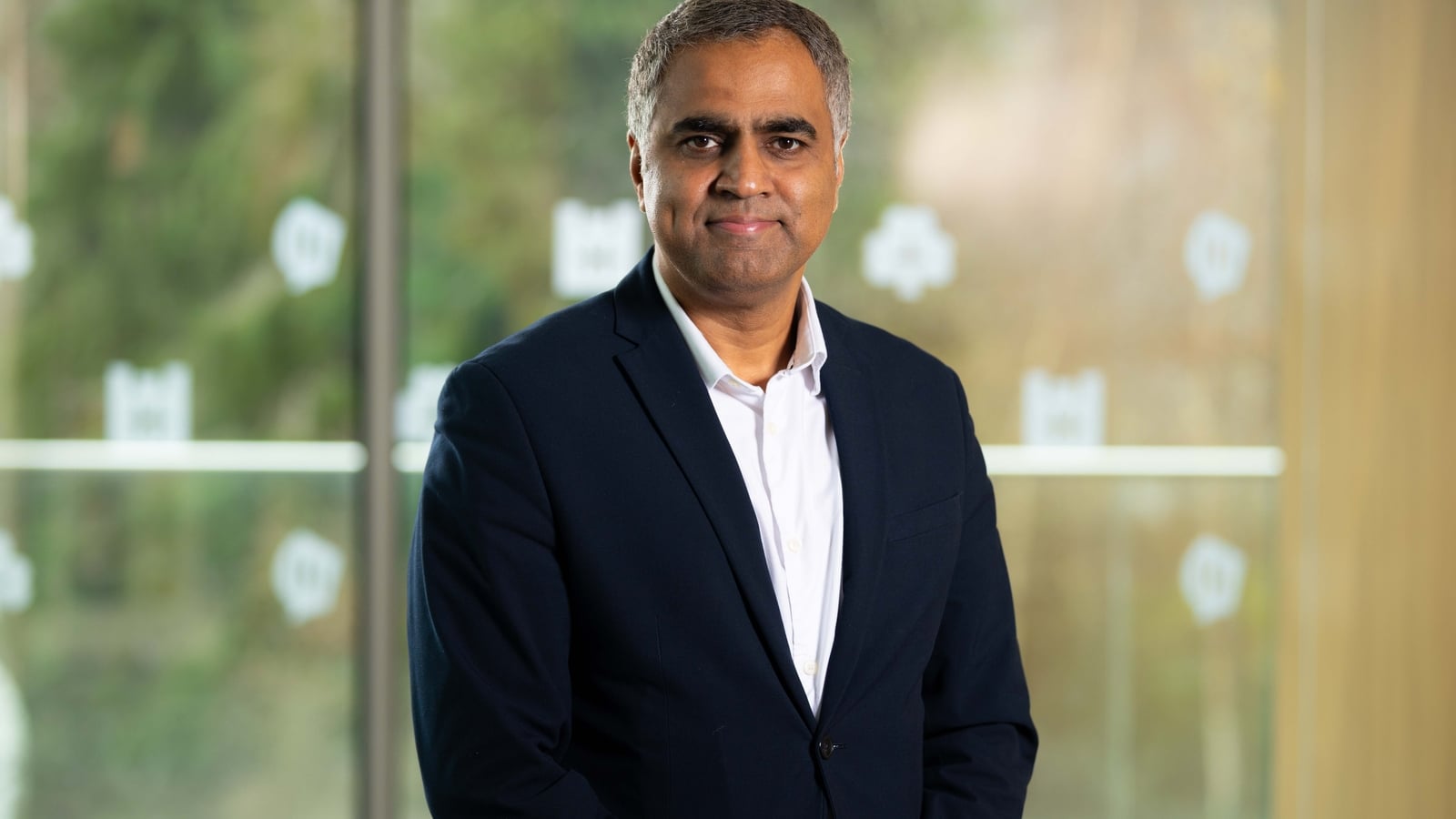
Bank of Ireland has appointed Prag Sharma as its inaugural Chief Artificial Intelligence Officer, effective October 2026, in a strategic move to accelerate the lender's AI transformation as part of its updated strategy through 2028. Sharma, joining from Citigroup where he directed emerging technologies and served as global head of AI, assumes leadership of a newly created executive position at Ireland's largest financial institution as the bank seeks to embed artificial intelligence across retail and corporate operations.
The appointment reflects Bank of Ireland's stated commitment to positioning itself at the forefront of responsible AI innovation. Ciarán Coyle, Group Chief Operating Officer, described the hire as critical to executing the bank's strategic roadmap. Sharma's experience leading Citigroup's Global AI Centre of Excellence, which deployed AI-powered products across 96 countries, positions him to guide the bank's efforts in fraud detection, customer service automation, and personalized financial insights. The bank did not disclose any involvement by search firms in the recruitment process.
Sharma brings a multidisciplinary background spanning academia, consulting, and banking spanning over 15 years in emerging technologies. He holds a bachelor's degree in electronic engineering from University College Dublin (2000), a doctorate in computer vision and pattern recognition (2004), and an MBA from the same institution (2013). Prior to Citigroup, he worked in analytical and innovation roles at Deloitte's Advanced Analytics Consulting Practice and Accenture's Integrated Markets Group in Dublin. He also co-founded a software analytics venture and served as a programme manager at UCD's Insight Centre for Data Analytics. Notably, he was recognized as one of only 10 Citi Tech Fellows globally and continues to sit on UCD's governing authority and strategy oversight subcommittee.
Bank of Ireland ranks as the largest financial services provider in Ireland, with around 10,800 employees and 2025 revenue of approximately 4.2 billion euros. The lender reported a pre-tax profit of 1.4 billion euros in 2025 and is executing a growth strategy targeting net interest income of 3.85 billion euros by 2028, with compound annual growth targets of 3 percent for deposits and 4 percent for loans. AI initiatives are already demonstrating tangible impact: in 2025, machine learning systems analysed approximately one billion card transactions and prevented 9.7 million euros in fraud, while AI-powered customer insights generated 127 million personalized prompts and reduced contact centre call transfers by 40 percent.
Sharma's arrival signals that Bank of Ireland intends to move beyond tactical AI deployments toward strategic organizational transformation. His appointment suggests the bank views AI not as an isolated technology function but as central to competitive positioning in Irish and UK markets. The elevation of this role to C-suite level, coupled with Coyle's description of it as critical to strategy delivery, implies management believes AI infrastructure and governance merit board-level visibility as regulatory scrutiny and technological adoption accelerate across financial services. Whether this organizational investment translates into sustained market share gains or cost efficiencies may depend on Sharma's ability to navigate the inherent tensions between rapid technology deployment and the risk governance frameworks that regulators increasingly expect Irish banks to maintain.