

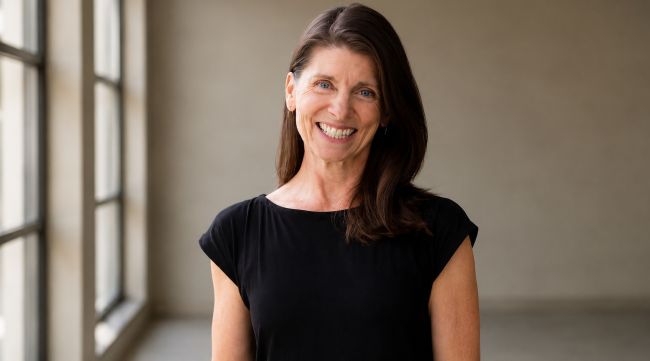
Sing for Hope, the New York-based arts nonprofit celebrating its 25th anniversary, announced on July 21, 2026, that Dr. Jill Sonke has joined its board of directors. The appointment marks a significant alignment between a leading researcher in arts and health policy and an organization increasingly recognized as a catalyst for connecting creative practice with health outcomes in hospitals, schools, and public spaces globally. Sonke's addition to the board comes as healthcare systems and policymakers at federal and international levels are moving toward evidence-based frameworks that position creativity as a measurable lever for wellbeing.
Monica Yunus, co-founder and co-executive director of Sing for Hope, framed the appointment as recognition of Sonke's decades of scholarship and field-building work. Sonke herself noted a long association with the organization, citing her first connection at a National Organization for Arts in Health gathering nearly a decade ago and subsequent advisory work during Sing for Hope's partnership with the New York State Department of Health to bring live music to COVID-19 vaccination centers. The appointment included no mention of a search firm; the organization's statement suggests an organic relationship developed over years of collaboration. The timing reflects Sing for Hope's pivot toward deeper integration with research, policy, and healthcare infrastructure as it reaches more than 57 million people annually through flagship programs including its iconic Pianos initiative and arts-in-healthcare partnerships.
Sonke brings 30 years of leadership in the arts and health field. She holds a PhD in arts in public health from Ulster University in Northern Ireland and currently serves as a U.S. Cultural Policy Fellow with Stanford University, with appointments at the National Academy of Medicine and the Federal Reserve Bank of New York. At the University of Florida, she is director of research initiatives and research professor in the Center for Arts in Medicine, which she helped found. She co-directs the EpiArts Lab, a National Endowment for the Arts Research Lab in partnership with University College London that investigates how arts and cultural engagement influence population health outcomes through epidemiological analysis of large U.S. cohort studies. During the COVID-19 pandemic, Sonke served as senior advisor to the Centers for Disease Control and Prevention's Vaccine Confidence and Demand Team, applying arts-informed approaches to public health communication. She has authored and co-authored numerous peer-reviewed publications on arts engagement, depression, social cohesion, and health behaviors, and has received over 350 grants for her research and programs at UF. Sonke is recognized in the field for advancing arts and health as an evidence-based discipline, building collaborations among healthcare systems, researchers, policymakers, and community organizations.
Sing for Hope emerged from grassroots origins in the mid-1990s when soprano Camille Zamora organized a concert benefit for an AIDS hospice. The organization was formally established in 2006 by Zamora and Monica Yunus with a mission to harness the arts as a catalyst for community healing and social change. The nonprofit mobilizes thousands of professional artists in volunteer service and operates across multiple platforms, including its signature Pianos program, arts education initiatives, public health partnerships, and cultural diplomacy work. Major partners include NYC Health and Hospitals, the Moynihan Train Hall, and Union Station in Washington, D.C. The organization's revenue is substantially supported by philanthropic funders including the International Foundation for Arts and Culture, led by Global Patron Dr. Haruhisa Handa, whose decade-long support has enabled expansion of its health-focused initiatives. Sing for Hope holds the distinction of being the official Cultural Partner of the World Summit of Nobel Peace Laureates.
The board addition suggests a strategic maturation by Sing for Hope toward institutionalizing research and policy influence as core levers for scaling impact. Sonke's presence at the intersection of academic research, federal policy apparatus, and international health governance brings credibility and access that could accelerate translation of Sing for Hope's field experience into evidence standards and funding mechanisms. The EpiArts Lab's population-level findings on arts engagement and health outcomes create a research foundation that complements Sing for Hope's practice-based knowledge. However, the appointment also reflects a broader sector trend toward professionalization and metrics-driven validation of arts interventions, which while potentially enabling resource flows, may reshape the grassroots, community-centered ethos from which both the organization and the field emerged.