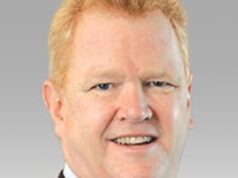


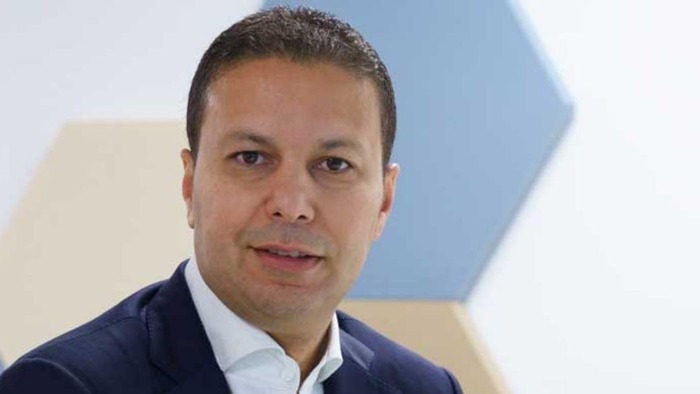
Pfizer has appointed Ali Besri country president for Saudi Arabia, placing a executive who previously ran its Moroccan business at the head of its largest Gulf market. The appointment was reported on 22 September 2026.
Besri succeeds Mohamed Fawzy in the role. Both the incoming and outgoing country presidents were quoted on the handover in trade coverage of the appointment, which was attributed to a company statement.
The Saudi pharmaceutical market is one of the few in the region where a multinational's country head is a strategic rather than purely commercial appointment. Under the localisation requirements attached to government procurement, companies that manufacture or substantially transform product inside the kingdom receive preference in tendering, and the national purchasing body is by some distance the largest single buyer. A country president is therefore negotiating industrial policy as much as selling medicines.
That makes the choice of a leader drawn from another North African and Middle Eastern market, rather than from headquarters, a recognisable pattern. The large pharmaceutical groups have increasingly staffed Gulf country leadership from within the region, on the view that the relationships with health ministries and sovereign purchasers do not transfer easily from elsewhere.
Besri arrives at a point when the sector's centre of gravity in the kingdom is shifting towards local production partnerships and towards the chronic disease burden that accompanies rising life expectancy. Both are long cycle commitments that outlast any individual country head, which is part of why these appointments attract attention beyond the company making them.
Pfizer did not state when the appointment takes effect.
Besri's background is in the company's North African operations, where he led the Moroccan business before moving to the Gulf. That trajectory, from a mid sized North African market to the largest pharmaceutical market in the Middle East, has become a recognised route within the multinational pharmaceutical groups operating in the region.
The kingdom's health sector is in the middle of a structural change that makes the role larger than its revenue line suggests. Responsibility for delivering care is being moved from the Ministry of Health into clusters intended to operate with their own budgets and purchasing decisions, which over time replaces a single national counterparty with several. A country president now has to build relationships across that new structure while the old one is still in place.
At the same time the localisation agenda attached to the kingdom's economic diversification programme has pushed the large manufacturers towards local fill and finish arrangements and towards technology transfer commitments, in exchange for preference in public tendering. Those are multi year industrial undertakings rather than sales agreements.
Fawzy, whom Besri succeeds, was quoted alongside him in coverage of the handover. Pfizer has not published a separate corporate announcement of the change on its global newsroom.