


China has proposed adding 40 technologies spanning artificial intelligence, photovoltaics and biomedicine to its catalogue of technologies prohibited or restricted from export, and has made registration with the commerce ministry a precondition for exporting any of them while the draft is still out for comment.
The Ministry of Commerce and the Ministry of Science and Technology published the draft revision and opened a one month public comment window on 16 October 2026. Of the 40 technologies, 23 sit in artificial intelligence, covering large models, agents, computing clusters and information processing; 12 are in photovoltaics, covering polysilicon, wafer and cell manufacturing along with the key and core equipment that carries those technologies; and five are in biomedicine, covering cell and gene therapy, small nucleic acid drugs and pathogenic microorganisms.
Two carve outs matter. Technologies already in the public domain through open source release or academic publication are excluded from the artificial intelligence entries. In biomedicine, licensing models that do not transfer ownership may qualify for automatic licensing. The immediately operative requirement is the interim registration step: before exporting any listed technology, exporters must register on the commerce ministry's unified business platform, and the requirement applies to intellectual property transfers, intellectual property licensing to overseas users, and changes in ownership or control to foreign entities. The ministries state that exports already under way but not yet completed are covered.
The stage wording cuts two ways, and it is worth being precise about. The catalogue change is a draft out for consultation and is not law. The registration requirement is not a draft. It bites from publication, which means any company moving Chinese origin technology in these fields across a border has a new administrative step now, regardless of what the final catalogue says.
For boards, the sharpest exposure is in deal structure rather than in shipping. The registration net is drawn around licensing and around changes in ownership or control, which puts joint ventures, technology licensing agreements and the sale of Chinese subsidiaries or research units inside the perimeter. Our inference is that transaction timetables involving Chinese technology assets in these three fields should now carry an additional regulatory contingency, and that counsel should be reviewing whether existing licence agreements with overseas affiliates constitute a continuing export that needs registering rather than a completed one that does not.
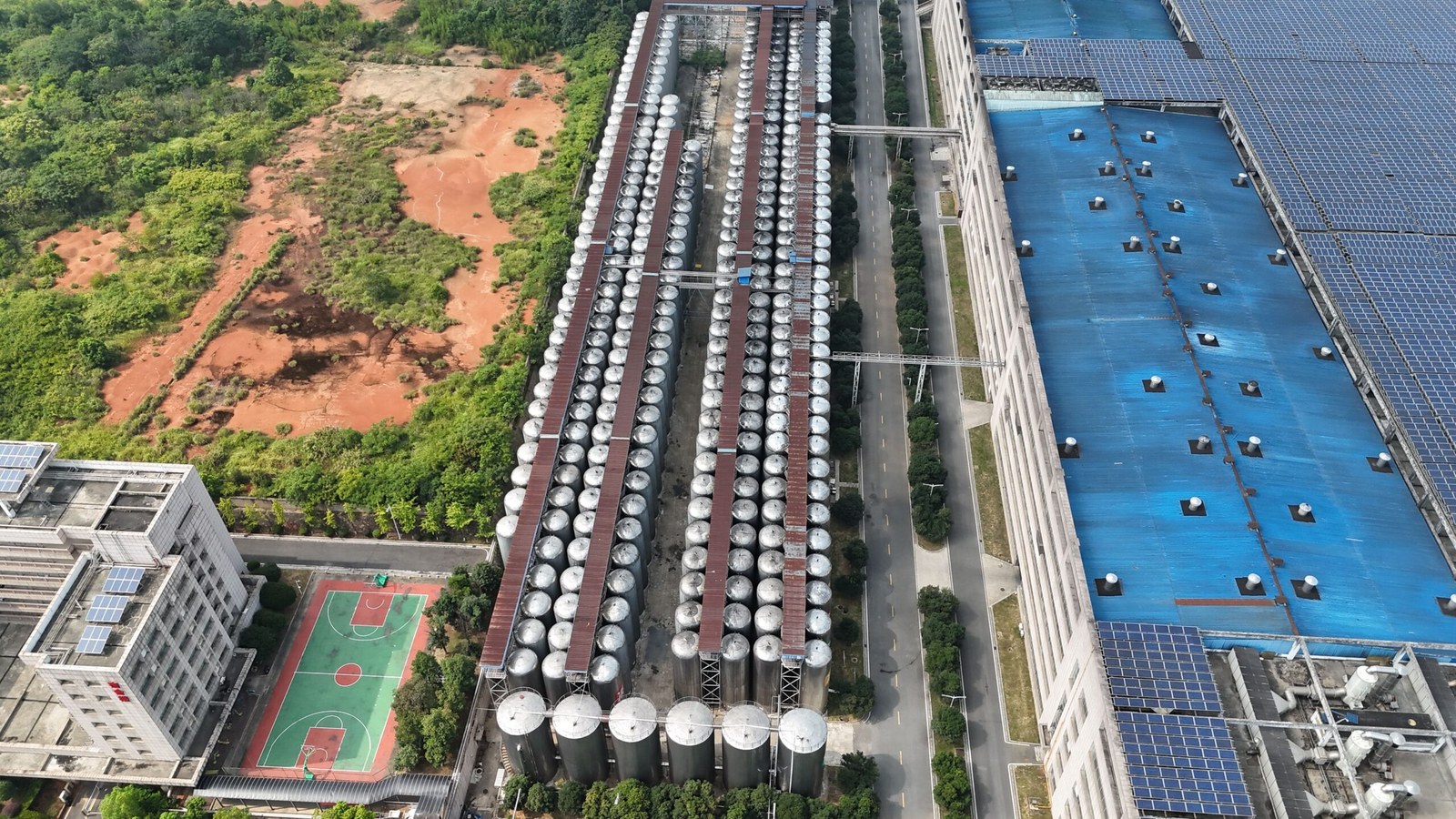
The sector read differs sharply. In photovoltaics, naming polysilicon, wafer and cell process technology plus the equipment that embodies it is a direct constraint on the export of manufacturing capability, which is precisely what overseas solar industrial policy has been trying to attract. Executives building non Chinese solar supply chains should model slower technology transfer and higher equipment cost, and should test whether their project assumptions depend on Chinese process knowledge arriving on schedule. In biomedicine, the exclusion for licensing that does not transfer ownership is a signal that out licensing deals are meant to continue, and the automatic licensing pathway is worth understanding before the next negotiation rather than during it. In artificial intelligence, the open source carve out is the whole game: it is the difference between a controllable asset and a public one, and our inference is that it will shape how Chinese developers choose to release.
The actionable step in all three is the same. Identify, within the next planning cycle, every cross border flow of technology and every pending transaction that touches these categories, and register what needs registering before someone else decides whether it should have been.