

The European Commission has cleared the Munich based industrial group Aequita to acquire sole control of Sabic Europe, removing the last regulatory obstacle to the Saudi petrochemical group's retreat from European manufacturing.
The clearance was granted on 28 September 2026 under case number M.12513. The Commission used its simplified merger procedure and found no competition concerns, which is the outcome a buyer wants and the signal that the two parties do not meaningfully overlap in the markets concerned.
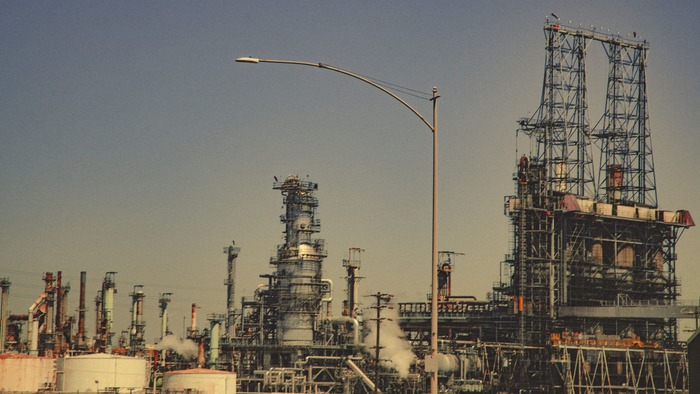
Sabic Europe operates manufacturing sites at Teesside in the United Kingdom, Geleen in the Netherlands, Gelsenkirchen in Germany and Genk in Belgium, producing ethylene, propylene, low and high density polyethylene, polypropylene and polymer compounds. The business employs about 1,900 people and has been reported at roughly 3.5 billion dollars in annual sales. The enterprise value attached to the transaction has been reported at 500 million dollars, with the agreement signed at the start of the year and completion expected in the final quarter.
A disposal priced on cash flow rather than cash
The consideration structure is the unusual feature and deserves verification against the parties' own documents before it is relied on. Reporting on the transaction describes payment through perpetual vendor notes repaid out of the future cash flows of the divested operations and of other Aequita European olefins and polyolefins assets, rather than through conventional cash at completion. If that is accurate, the seller is accepting exposure to the future performance of the business it is leaving, which tells you a good deal about what a European cracker portfolio is worth in an outright sale today.
For the buyer, the logic is consolidation. Aequita acquired selected LyondellBasell assets earlier in the year, now trading as Velogy, and the combined platform has been described as approaching 7 billion dollars in annual revenue across eight European sites. That is a bet that scale and cost discipline can make European petrochemicals viable at a point when the incumbent majors have concluded otherwise.
The pattern on the seller's side
This is not an isolated disposal. Sabic has been running a portfolio overhaul since 2022 that has already taken it out of several businesses, and it completed the sale of its engineering thermoplastics operation to the German investor Mutares during 2026. Its remaining European footprint after this clearance is materially smaller than it was three years ago.
The strategic reading is straightforward. European petrochemical production carries an energy cost base that Gulf producers do not, and a Saudi group with access to advantaged feedstock at home has limited reason to subsidise the difference. What is being tested now is whether a specialist industrial buyer can run those same assets on different economics.