

AusRAIL is the national conference and exhibition of the Australasian Railway Association, the industry body for rail in Australia and New Zealand. The event is delivered by MCI Australia on the association's behalf, and the association states that proceeds from the event are reinvested into rail across both countries. It pairs a multi day conference programme with a trade exhibition, and it is the main point in the Australian calendar at which operators, manufacturers, contractors and government bodies in rail are in one place.
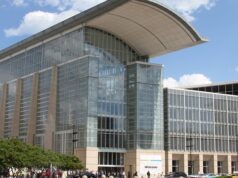
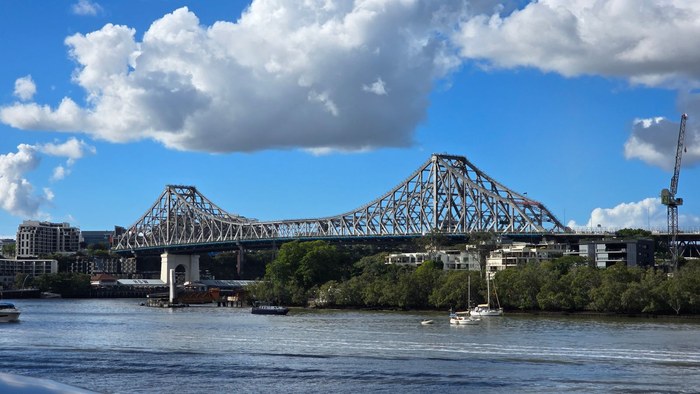
The event runs from Monday the twenty-third to Wednesday the twenty-fifth of November. The year is 2026. The venue is the Brisbane Convention and Exhibition Centre in Brisbane, Queensland.
The association has not published an overall conference theme for this edition. What it has set out is the shape of the programme: a speaker programme, pre conference workshops, a Women in Rail Forum, a set of site tours, and a social programme that runs alongside the sessions. The announced tours take delegates to the Wulkuraka maintenance facility associated with the Queensland New Generation Rollingstock programme, the Gold Coast light rail depot, and a rail management centre visit that includes Mayne Yard. The exhibition runs with a published floor plan, and named partners listed so far include Alstom, Arup, Hitachi Rail, Wabtec and Go-Ahead.
The audience the association describes is drawn from passenger and freight operators, heavy haul operators, rollingstock manufacturers, contractors and suppliers to the rail industry, consultants, and government and industry representatives. That mix is the point. Australian rail procurement sits across federal and state governments, state owned operators and a concentrated supplier base, and relatively few forums put all of those parties in the same room at once.
For senior executives, the case for attending is mostly about the procurement and capability pipeline. Australia and New Zealand are working through a long run of heavy rail, light rail and freight network investment, much of it driven by state governments, and the association's conference is where operators and government bodies set out their intentions to the supply chain. Holding it in Brisbane adds weight for anyone tracking Queensland rollingstock and network work, given the site tours the organiser has attached to it. For rollingstock manufacturers, engineering consultancies, signalling and systems suppliers and infrastructure investors, the exhibition floor and the delegate mix are often more valuable than the plenary agenda. It is also worth noting that this is run by the industry association rather than by a commercial exhibition company, with proceeds returned to the sector, which is a different proposition from a purely commercial trade show.