


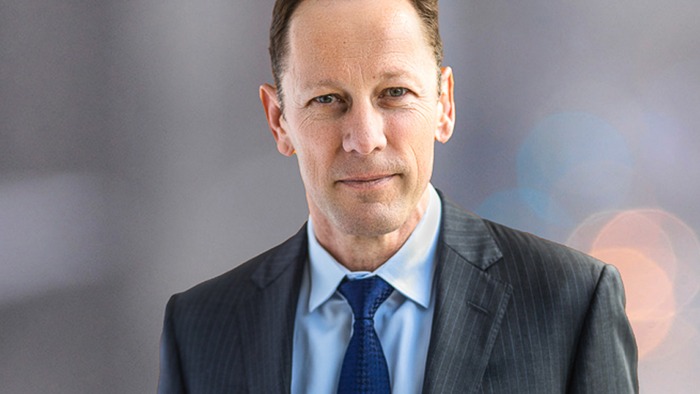
The World Gold Council has appointed Paul Brink as Chair of its Board. The London-based industry body announced the appointment on 28 September 2026, and Franco-Nevada Corporation confirmed it from Toronto the same day.
Brink is President and Chief Executive Officer of Franco-Nevada Corporation, the gold royalty and streaming company listed in both Toronto and New York. He has led the company since 2020 and joined it at the time of its initial public offering, where he ran business development. He continues in that role alongside the chairmanship.
He succeeds Neal Froneman, who has completed his term. David Tait continues as Chief Executive Officer of the World Gold Council, and the chairmanship is a board role rather than an executive one.
Why a royalty executive at the head of the table matters
The World Gold Council is the market development organisation for the gold industry, funded by a membership drawn largely from the world's major gold mining companies. Its chairs have traditionally come from that membership, and most often from the operating miners who dig the metal out of the ground. Brink's company does not mine anything. Franco-Nevada buys royalties and streams, which means it finances production in exchange for a share of future output or revenue, and carries neither the operating cost nor the operating risk of a mine.
That difference is the most interesting thing about the appointment. A royalty business sits closer to the capital markets than to the pit, and it thinks about gold primarily as a financial asset whose price and investability drive returns. Placing that perspective at the head of the council's board points to an organisation weighted towards the demand and investment side of its remit, which covers the gold-backed exchange traded funds it helped create and its work on gold as a reserve asset for central banks, rather than towards the supply-side and operating questions that an incumbent miner would naturally bring.
There is a practical dimension too. The council has spent recent years on the governance and provenance of the metal, including work through the Consolidated Mining Standard Initiative, and those standards bear on financiers as much as on operators. A chair whose company's capital is spread across dozens of mines it does not run has an unusually wide view of how such standards land in practice, and an unusually direct commercial interest in their being credible.
Brink takes the chair at a point when the investment case for gold has been reasserting itself, which raises the stakes on the demand-side agenda the council exists to advance.