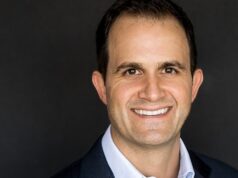


Riyadh Steel has appointed Abdullah Radhwan Ali as Chief Executive Officer, confirming him in the role on a permanent basis after a period as Acting Chief Executive. The board approved the appointment in March 2026 on the recommendation of its nomination and remuneration committee.
Ali had been leading the Saudi steel producer in an acting capacity before the board formalised his position. The move gives the company settled executive leadership and removes the uncertainty that can accompany an interim arrangement, allowing management to plan with a clear mandate.
An engineer by training, Ali holds a degree in manufacturing and production engineering management from Prince Sultan University and has built his career in supply chain and strategic project management across industrial sectors. That background aligns with the operational demands of running a steel producer, where cost control and production efficiency are central.
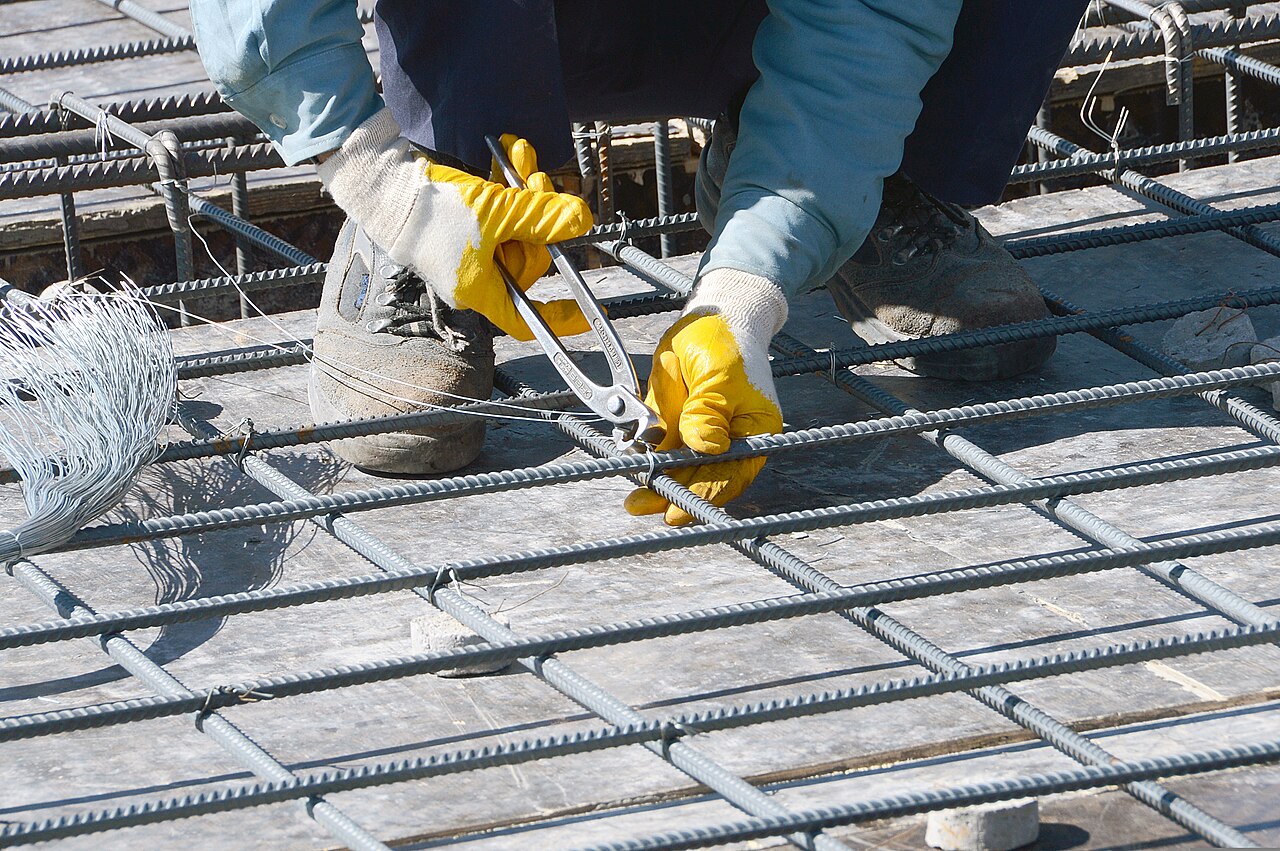
Riyadh Steel supplies reinforcing and structural steel to the construction and industrial markets, sectors whose demand tracks the pace of building activity in the Kingdom. Saudi construction remains closely tied to the national diversification and infrastructure agenda, which shapes the outlook for domestic steel producers.
Confirming an acting chief executive rather than recruiting externally often reflects a board confidence in continuity and in the direction management has already set. For Riyadh Steel, it points to steadiness at the top as the company manages input costs, competition and the cyclical nature of construction demand.
The steel sector in Saudi Arabia faces both opportunity and pressure. Infrastructure and construction activity support demand, while regional competition and volatile raw material costs weigh on margins. Clear executive leadership helps a producer respond to those forces with a consistent strategy.
Ali early priorities as confirmed chief executive are likely to include maintaining production reliability, managing the cost base and strengthening relationships with the contractors and industrial buyers that make up the company customer base. His prior operational roles give him a working knowledge of those areas.
The company did not announce other leadership changes alongside the appointment. It said the confirmation of its chief executive supports continuity as it serves the Saudi construction and industrial markets.
The appointment also fits a wider pattern among Saudi industrial companies of promoting experienced internal operators into the top job, valuing sector knowledge and continuity over external change. For a steel producer whose performance depends on the smooth running of plant, supply chains and customer relationships, leadership that already understands the business can be an advantage as it works through a demanding market cycle.