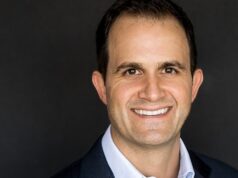


Ascidian Therapeutics, the Boston based biotechnology company developing RNA exon editing therapies, has appointed Daniel Rosan as President. The company announced the leadership transition on 21 July 2026.
Rosan retains his existing responsibilities as Chief Financial Officer and Chief Business Officer alongside the new title. In the expanded role he will work with the executive leadership team and the Board of Directors to advance the company strategic priorities while a search for a new Chief Executive Officer proceeds.
Founder Michael Ehlers has stepped down from the roles of President and Chief Executive Officer and will continue to serve as Chair of the Board of Directors, where he will guide scientific and company strategy. The company framed the change as an orderly transition into its next chapter, with the founder remaining closely involved in scientific direction while day to day executive leadership passes to the incoming chief executive.
Ascidian is pursuing RNA exon editing, an approach that rewrites messenger RNA rather than making permanent changes to the genome. The method is designed to replace multiple mutated exons in a single therapeutic, which allows one product to address patients carrying a wide range of different mutations in the same gene. The company lead programme targets ABCA4 retinopathy, an inherited retinal disorder, and it has extended the platform toward neurological indications.
The appointment carries more weight than a routine title change because of what it signals about sequencing. Placing the sitting Chief Financial Officer and Chief Business Officer into the presidency, rather than recruiting an interim chief executive from outside, keeps financial control and partnering authority in the same pair of hands during the search. For a clinical stage biotechnology company that depends on venture financing and pharmaceutical partnerships to fund its programmes, continuity in those two functions is often more consequential than the speed of the chief executive appointment itself.
That partnering dimension is material here. In 2024 the company entered a research collaboration with Roche covering the discovery and development of RNA exon editing therapeutics for neurological diseases, an agreement that validated the platform beyond its founding ophthalmology focus. Preserving the executive relationship that carried that deal reduces the risk that a leadership change unsettles an active corporate partnership at a point when the company is still building clinical evidence.
Retaining the founder as Board Chair follows a pattern common among platform biotechnology companies, where the scientific originator of the technology stays close to research decisions while the commercial and operational build passes to specialist management. The arrangement gives the incoming chief executive a defined scientific counterpart at board level, though it also places a premium on a clear division of authority between chair and chief executive once the search concludes.