

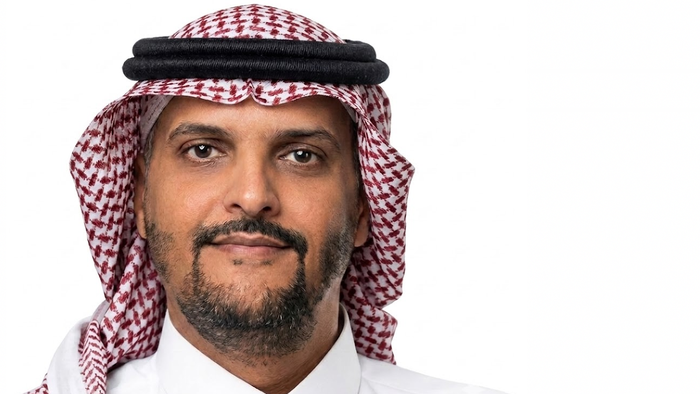
Saudi Vitrified Clay Pipe Company has named Saad Saud Al-Sayari vice chairman of its board and managing director, in an executive capacity, and has reappointed Prince Faisal bin Abdulaziz bin Faisal Al Saud as chairman in a non executive capacity. The Tadawul listed manufacturer disclosed both decisions to the Saudi Exchange on 18 October 2026. The appointments took effect the same day and run to the close of the current board term in the autumn of 2030.
The reappointment completes a board cycle that began at the end of September, when shareholders elected a new board at an ordinary general meeting. The company announced the election result at the start of October, and the newly constituted board then met to distribute its offices and form its committees. Prince Faisal has held the chair since the previous term, so the decision is a continuation rather than a change of leadership at the top of the company.
The board also set its committee structure. The nominations and remuneration committee is chaired by independent member Suleiman Nasser Al-Qahtani, with Prince Faisal and Abdullah Al-Dabaan serving as members. The wider board seated for the new term includes Suleiman Ali Al-Dakheel, Muayyed Issa Al-Qurtas and Abdullah Abdulrahman Alabdulwahed alongside the chairman and the managing director.
Saudi Vitrified Clay Pipe Company manufactures and distributes vitrified clay, cement and plastic piping for construction, infrastructure and sewerage work, supplying both the domestic market and export customers. It is one of the longer established industrial names on the Saudi main market and trades under the code 2360.
The context around the reappointment is austere rather than celebratory. The day after naming its chairman, the board suspended board and committee remuneration for two financial years and halted the managing director's salary, a measure companies take to conserve cash rather than to signal confidence. The company had separately called shareholders to an extraordinary general meeting later in October to vote on a restructuring of its capital, a step that follows an earlier attempt to raise capital that did not clear a shareholder vote.
Read together, the sequence describes a board that has chosen continuity while it works through a balance sheet problem. There is a reasonable argument for that. A capital restructuring is a shareholder facing exercise, and a chairman who already holds the relationships and the institutional history is better placed to carry a reorganisation through an extraordinary general meeting than a new arrival would be. The pairing of a non executive chair with an executive managing director also keeps the distinction between oversight and running the business intact at exactly the point where the board is cutting its own pay, which matters for how the decision reads to minority holders.
The risk sits on the other side of the same argument. Continuity at the top through a loss making period and a failed capital raise invites the question of what will be done differently, and the remuneration freeze answers it only in part, because suspending director fees at a company of this size saves a figure that is immaterial against the operating deficit. The substantive test is the capital vote and what follows it. If the restructuring passes, the chairman will have four years to show the pipe business can be sized to the demand actually in front of it. If it does not, the board will have spent a second attempt on the same problem with the same people in the same seats.