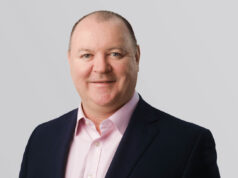



Spire Healthcare Group has named Sir David Sloman as its interim chief executive officer, the London listed private hospital operator confirmed in a board and management changes notice dated 5 September 2026. Sloman moves into the executive seat while the company runs a search for a permanent appointment.
Sloman is not an outside hire. He joined the Spire Healthcare Group board as a non-executive director in March 2025 and became vice chair in May 2025, and he has chaired the group's clinical governance and safety committee. The company framed the handover as an orderly transition, with Justin Ash retiring after nine years as chief executive and Sloman stepping up from the board while the successor process continues.
The leadership reset extends to the chair. Debbie White, who had been acting as chair designate, takes the chair on an interim basis. Spire Healthcare Group also disclosed that, following completion of the pending acquisition, the buyer intends to appoint Paolo Pieri, formerly chief executive of Circle Health Group, as chair.
Sloman brings a career built almost entirely inside the state sector. He has held chief executive roles at several NHS trusts, including Royal Free London NHS Foundation Trust, and served as chief operating officer of NHS England between December 2021 and August 2023, a period in which he was responsible for operational delivery across the service, including its response to the COVID-19 pandemic.
That profile matters for the job in front of him. Spire Healthcare Group runs 38 hospitals and more than 50 clinics, medical centres and consulting rooms across England, Wales and Scotland, and a substantial share of its activity is NHS funded work carried out under contract. An interim chief executive who has sat on the commissioning side of that relationship, and who understands how operational pressure inside the health service translates into referral flow, is a defensive choice as much as a caretaker one.
The immediate brief is continuity. Interim chief executives appointed alongside a change of control are generally there to hold trading performance steady, keep clinicians and consultants engaged, and carry the operating plan through a period when management attention is pulled towards deal mechanics. Sloman also inherits responsibility for clinical quality standards across the estate, a reputational asset for any private operator whose economics depend on consultant relationships and insurer contracts.
The commercial backdrop is a recommended cash offer of 250 pence a share from Tulip UK Bidco, the vehicle behind a consortium including funds managed or advised by Toscafund Asset Management, Three Hills and Ares Management. The offer values the fully diluted equity of Spire Healthcare Group at about 1.03 billion pounds. The consortium has argued that the value of the group's freehold property is not reflected in the public share price and that private ownership would give the business more strategic and financial flexibility.
For the wider market, the appointment is a signal about how the next phase will be run. A take private of this size usually brings pressure on cost, capital allocation and asset use, and the interim chief executive sets the tone for how far that agenda moves before a permanent leader arrives. For consultants, insurers and health service commissioners who buy capacity from the group, the practical question is whether delivery holds steady through the ownership change. On the company's own framing, the mandate is to keep the business running while the search for a permanent chief executive runs its course.