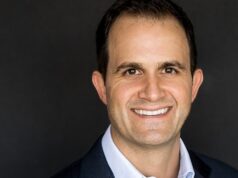


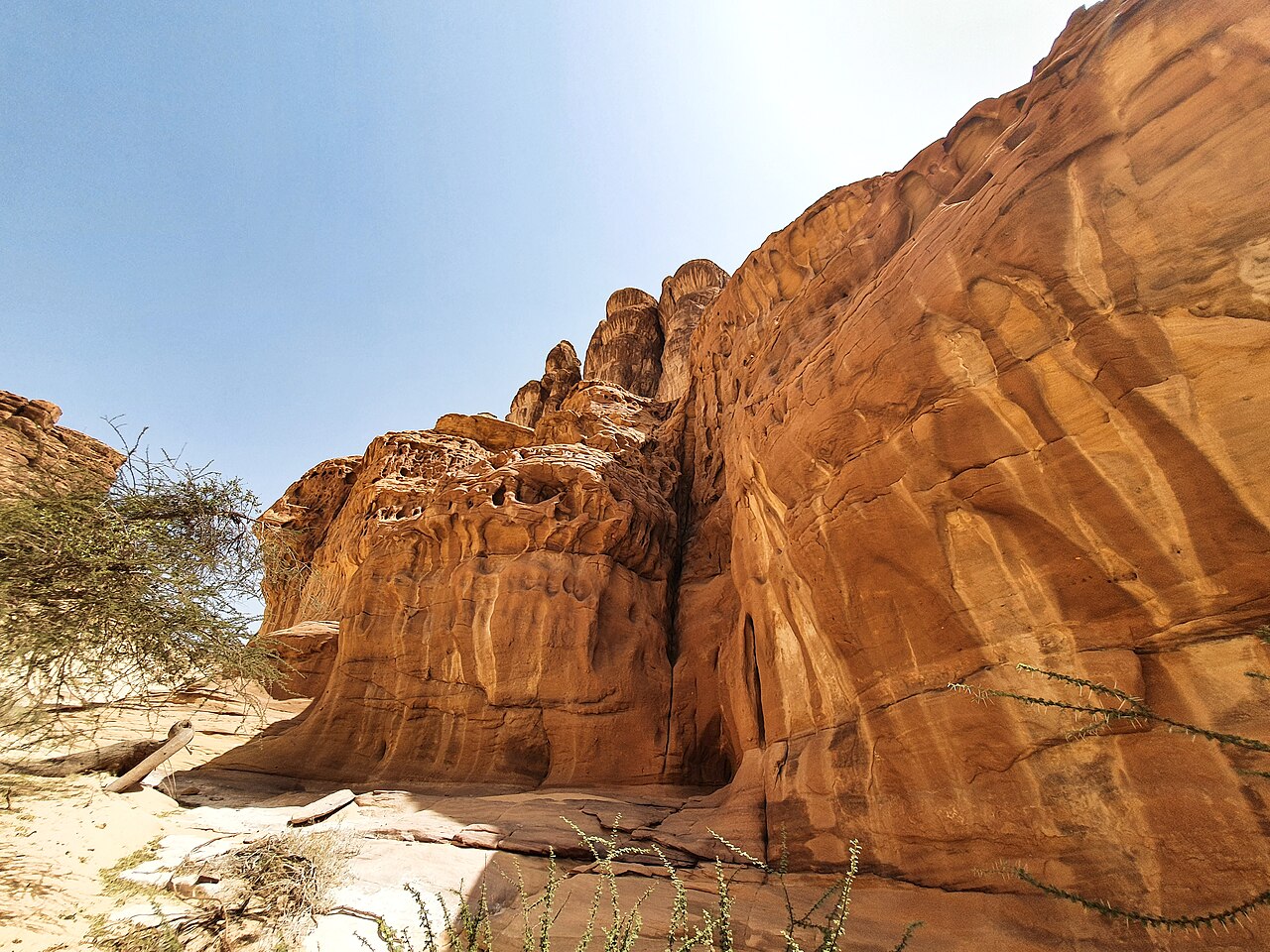
AlUla Development Company, a company owned by Saudi Arabia's Public Investment Fund, has appointed John Pagano as Managing Director to lead the next phase of its growth and advance its mandate to develop AlUla into a world-class cultural and tourism destination while preserving the north-west region's natural and cultural heritage.
Pagano brings decades of experience in large-scale destination development and regenerative tourism. He continues to serve as group Chief Executive of Red Sea Global, the company behind flagship Saudi ventures including The Red Sea and Amaala, and also holds the role of managing director and board member at King Abdullah Financial District, extending his leadership across several of the Kingdom's landmark projects. That track record in delivering complex, sustainability-led developments was central to his selection for a destination that markets itself on the careful stewardship of heritage sites.
He succeeds Fabien Toscano, who guided the company through its formative years, signing a series of agreements with global partners and building a pipeline of hospitality and residential developments that positioned AlUla as an emerging destination on the international tourism map. The handover marks a deliberate shift from a phase focused on securing partnerships and laying groundwork toward one centred on delivery at scale.
The appointment places a single, seasoned destination developer at the head of AlUla's next chapter at a time when Saudi Arabia is accelerating investment in tourism as a central pillar of its economic diversification agenda. Pagano's concurrent leadership of Red Sea Global gives AlUla access to proven expertise in giga-project delivery, though it also concentrates several of the country's most ambitious developments under one executive, a structure that centralises institutional knowledge but places heavy demands on a single leader's time and attention.
AlUla occupies a distinctive position in the Kingdom's tourism strategy, combining archaeological and heritage assets with plans for hospitality, culture and residential offerings. Converting that positioning into operating revenue depends on moving projects from design into completed, revenue-generating assets.
For AlUla, the transition from Toscano's foundation-building phase to Pagano's growth mandate signals a change in emphasis. The pace at which the company turns its pipeline of hospitality and residential projects into operational assets will be the clearest early measure of the new leadership, as the destination moves from planning into execution and begins to test its appeal with international visitors. Delivery timelines, visitor numbers and the opening of anchor hospitality assets will together indicate whether the leadership change accelerates AlUla toward its long-term ambitions.