


Masdar has raised 600 million dollars in its first blue bond, an issue the Abu Dhabi renewable energy company describes as the highest rated public blue bond corporate offering anywhere in the world. The company announced the pricing in late October.
The five year notes were issued under Masdar's six billion dollar Global Medium Term Note Programme and are listed on the International Securities Market of the London Stock Exchange. They carry a coupon of 5.875 per cent in dollars, which the company swapped into euros at a yield of 4.374 per cent, and an AA minus rating. The order book peaked at 1.5 billion dollars, which left the issue oversubscribed two and a half times. A syndicate of regional and international banks acted as joint lead managers.
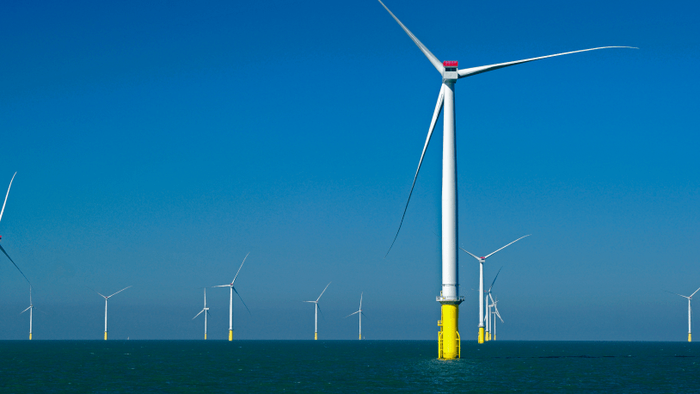
Proceeds are earmarked for maritime renewable energy, offshore wind among it. That is the point of a blue bond as an instrument: it ties the use of proceeds to the ocean economy rather than to renewables in general, and it draws a pool of investors with specific marine mandates that a conventional green bond does not reach.
The issue is Masdar's fourth bond offering. The company states that it had raised 2.75 billion dollars under the programme since 2023 before this deal, and that the blue issuance brings the total to 3.35 billion. Of the earlier money, 2.3 billion dollars had been allocated to thirty renewable energy projects with gross capacity of more than sixteen gigawatts across ten countries as at the end of 2025.
For boards and treasury teams across the Gulf, the structure matters more than the headline figure. Masdar has now gone to the public debt market four times in three years and has built a repeat investor base for labelled paper, which is a different capital position from the project finance and shareholder funding that carried the company through its earlier growth. An issuer that can price a labelled instrument at this rating and this level of oversubscription has an alternative to bank syndication when it next needs to fund a pipeline.
The second point is about disclosure. Masdar publishes both the allocation of earlier proceeds and the capacity those projects represent, which is the reporting discipline that labelled debt demands and that many issuers in the region still treat as optional. Investors buying a blue bond are buying a promise about where the money goes, and the companies that can evidence the last promise are the ones that get the next book. The disclosure is itself a competitive asset, and chief financial officers watching the Gulf's labelled debt market will read this issue as the benchmark to price against.