

CVR Energy has agreed to acquire two mid continent refineries and an associated marketing business from Marathon Petroleum Corporation for approximately 4.2 billion dollars plus net working capital, in a deal the buyer expects to close before the end of the year.
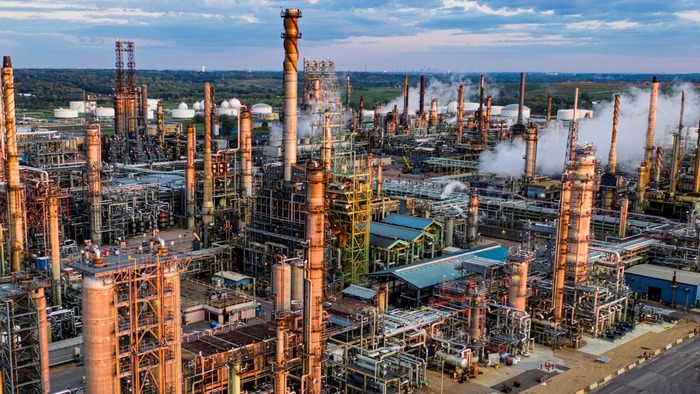
The assets are the St. Paul Park refinery in Minnesota, rated at 105,000 barrels a day, the Mandan refinery in North Dakota, rated at 72,000 barrels a day, and a marketing business supplying up to 590 branded sites. The release gives no component breakdown of the price, and the split between the seller and its midstream affiliate that has circulated in third party summaries does not appear in the terms as published.
The financing has four parts: 2.5 billion dollars of committed secured debt, a 500 million dollar equity commitment from the buyer's controlling shareholder, 800 million dollars of equity from Trafigura US Holdings, and cash on hand. Barclays, Wells Fargo and Mizuho are providing the committed debt. The buyer's board approved the transaction unanimously, and completion requires clearance under United States antitrust notification rules. Dane Neumann is President and Chief Executive Officer of the buyer.
On the economics, the acquired business generated earnings before interest, tax, depreciation and amortisation of about 1.2 billion dollars in the twelve months to 30 September, a figure the release reconciles at 1,158 million dollars and which is adjusted to capitalise turnaround costs. Expected synergies of roughly 70 million dollars a year on a run rate basis are excluded from that number. The buyer's own accretion and pro forma figures are likewise company prepared and adjusted.
The price looks measured against that cash flow, at roughly three and a half times the adjusted trailing figure, and refining assets trade on low multiples for a reason: the earnings are a crack spread, not a contracted stream, and a single unplanned outage at one of two plants removes a large share of the capacity. A buyer paying three and a half times is buying volatility at a discount and funding it with 2.5 billion dollars of secured debt, which is a leveraged bet on the mid continent margin holding.
The structure is the second story. An 800 million dollar equity cheque from a commodity trading house is not passive money. It typically travels with offtake, supply or intermediation arrangements that are not described in the announcement, and it signals that the trading arm of the market is prepared to underwrite refining capacity that the integrated majors are shedding. The seller exiting two mid continent plants while a trader funds the entry is the clearest statement in the transaction about where each side thinks the margin sits over the next cycle.