


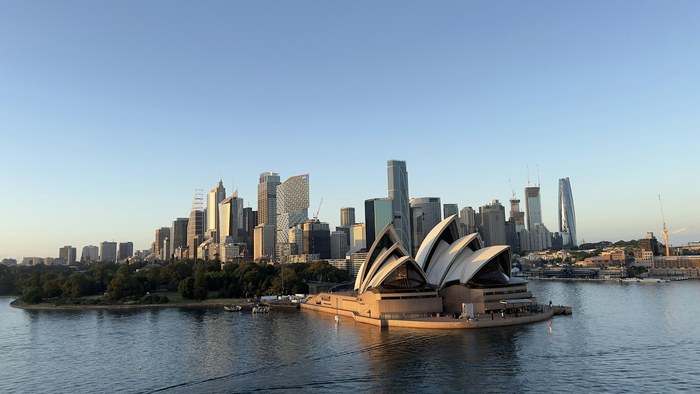
The MedTech Conference returns to ICC Sydney for two days in March, opening on the second and closing on the third. The year is 2027. The organiser schedules the first session for half past eight on the opening morning and closes at five on the second afternoon.
The conference is run by the Medical Technology Association of Australia, the national body for suppliers of medical devices, diagnostics and health technology, and it is the sector's main annual gathering in the country. The association runs its MedTech Industry Awards alongside the programme, which gives the week a recognition element as well as a policy one.
Why it matters this cycle
Medical technology in Australia is a policy business as much as a commercial one. What gets sold, and at what price, is shaped by the prostheses list, by private health insurance settings and by state procurement, and all three have been under review in a way that has moved revenue between categories rather than simply growing or shrinking the market. Executives in the sector spend as much time on reimbursement as on product.
That is why an industry association conference carries more weight here than a trade exhibition would. The room contains the suppliers, the regulators and the hospital buyers at the same time, and the association uses the platform to set out its position ahead of the policy cycle. For boards the useful signal is the tone of that exchange, because it indicates how much pricing pressure the coming year will carry.
The second theme is manufacturing. Australia has a small but genuine device manufacturing base, and the sovereign capability argument that gathered force during the pandemic has not gone away. Where that argument lands, in procurement preference or in co-investment, determines whether local firms scale or remain acquisition targets for larger international groups.
Registration, the programme and the awards detail are published by the organiser and are updated ahead of the conference.