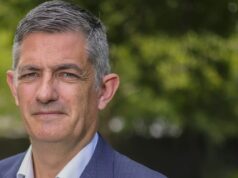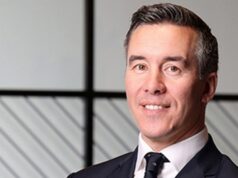


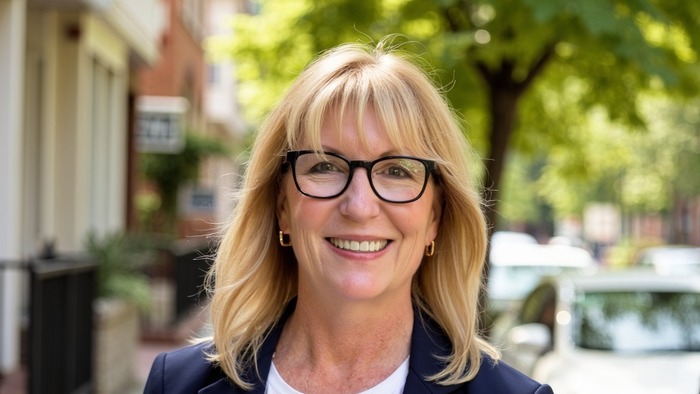
Mary's Meals USA has set out an expanded leadership team for its American operation, naming Jennifer Hartley as president and executive director and appointing two senior business figures to lead its board. The charity announced the slate on 20 October 2026, pairing Hartley with Mark Menking as chairperson of the board of directors and Andy Armanino as vice chairperson. The three will direct United States operations as the wider movement approaches its twenty fifth anniversary in 2027.
Hartley took on the executive director role in August and now carries the combined title of president and executive director. She came to the organisation first as a volunteer, helping to establish it in her own community in the Dallas and Fort Worth area before moving into a staff role, and she brings decades of leadership experience in large American corporates. "Mary's Meals is committed to reaching children waiting for a meal in their place of education," she said of the task ahead.
Menking arrives in the chair with a career built across restaurant operations, finance and commercial real estate. He was chief executive of a bakery and cafe chain until 2002 and later led a restaurant group operating more than forty franchised casual dining outlets. "I knew I wanted to get involved and help Mary's Meals USA become a much greater contributor to this cause," he said.
Armanino, who was already serving on the board, steps up to vice chairperson. He was chief executive and managing partner of Armanino LLP, the accounting and consulting firm, from 2005 until his retirement in 2018, and described the charity as "a remarkable example of faith in action."
The American appointments follow a reshaping of the movement's global leadership announced earlier in October. Under that change Magnus MacFarlane-Barrow, who founded the charity, moved into a president and founder role at Mary's Meals International focused on strategy, awareness and organisational culture, with day to day executive responsibility passing to a newly created executive director post. The organisation provides a daily meal in a place of education to more than three million children across sixteen countries, serving upwards of four hundred million meals a year.
The structure the charity has chosen is worth reading carefully. Separating a strong operating executive at the top of the house from an independent chair and vice chair with deep commercial backgrounds is the governance pattern that American donors and institutional funders increasingly expect of mid-sized international charities, and it is usually adopted when an organisation intends to scale its fundraising rather than hold it steady. Menking's restaurant and property background and Armanino's professional services background give the board the balance sheet and audit literacy that a growth phase tends to need.
The timing points the same way. Installing board leadership roughly a year ahead of a twenty fifth anniversary gives the new team a natural campaign horizon and a concrete reason to go back to major donors with a specific ask. The United States is already one of the movement's largest funding markets, and the stated ambition of reaching more children facing extreme hunger will require that market to grow rather than simply hold.
The risk in the model is the one every founder-led charity meets at this point. Moving the founder into a president and founder role at the international level preserves the story that drives giving, but it also tests whether country boards can carry the organisation's identity without him in the room. How much independent authority the American board exercises over the next two years, and whether it recruits beyond the commercial networks its new chair and vice chair come from, will say more about the charity's next decade than the appointments themselves.