


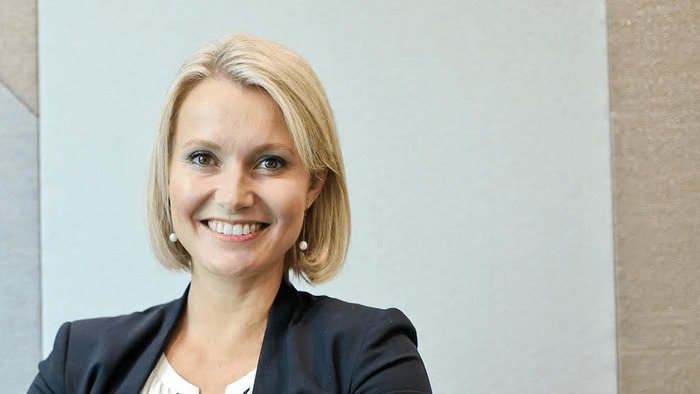
Marsh has appointed Peta Latimer as chief executive of its Singapore business, adding a country leadership role to the regional portfolio she already holds. The appointment took effect immediately on announcement at the end of September.
Latimer continues as president of Marsh's People and Investments business across Asia, the unit built around the former Mercer operations as that brand is folded into the wider Marsh structure. Holding both posts at once is unusual, and it places a single executive across both a geography and a line of business in one of the region's more competitive insurance and advisory markets. She reports to David Jacob, chief executive of Marsh Asia.
The same reshuffle named Derek Heng chief executive of Marsh ASEAN, a role he takes up from the start of October while remaining chief executive of the firm's Thailand business. The two appointments together tighten the reporting line between Marsh's country operations and its regional structure.
Singapore as the contested seat
Singapore matters to the global brokers out of proportion to its size. It is the booking centre for a large share of South East Asian commercial risk, the regional base for most multinational insurers and reinsurers, and the jurisdiction whose regulator sets the tone others in the region follow. A country chief executive in Singapore is therefore closer to being a regional strategy role than the title suggests.
That context explains the decision to combine the roles rather than appoint separately. The People and Investments business, covering health, retirement, career and investment advisory, sells to the same corporate buyers as the risk and insurance broking side, and those buyers increasingly expect a single commercial relationship rather than two. Putting one executive across both removes an internal boundary that clients have never had much reason to care about.
The integration question underneath
The more consequential story is the absorption of the Mercer brand into Marsh People and Investments. Mercer carried decades of standing in retirement and workforce advisory, and retiring a brand of that weight is a choice that trades recognition for coherence. Latimer's appointment puts someone from that side of the house into a country leadership seat, which is a reasonable signal that the advisory business is not being treated as a junior partner in the combination.
Dual roles carry an obvious risk, which is that one of them receives the attention and the other receives the calendar. The regional president role spans multiple markets with their own regulators and pension regimes, while the Singapore seat demands local visibility with clients and with the authorities. How that balance is struck will be visible first in whether Marsh appoints a strong deputy underneath either post.
For the market, the practical read is that Marsh is organising Asia around fewer, broader leadership roles rather than more specialised ones. That is a bet on integration, and it is the opposite of the structure most of its competitors currently run.