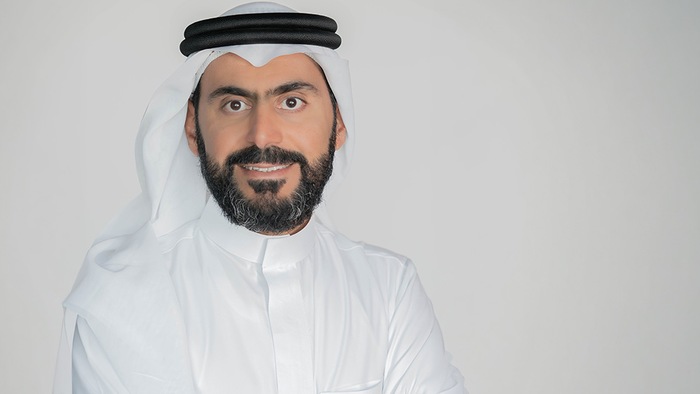
KPMG has named Khalil Al Sedais as Country Leader for Saudi Arabia, the professional services firm confirmed in an announcement reported on 20 October 2026.
Mr Al Sedais steps up from managing partner of the Riyadh office, a post he has held since 2013. He is described as a veteran of nearly three decades with the firm and has been a longstanding board member of both the Saudi business and the wider regional organisation. The announcement does not name a predecessor in the country leadership role, does not give an effective date, and does not say who will take over the Riyadh office.
His outside appointments run through the architecture of the Saudi accounting profession. He sits on the board of the Saudi Authority for Accredited Valuers, where he chairs the audit committee, and he served on the board and executive committee of the Saudi Organization for Chartered and Professional Accountants between 2021 and 2024. Inside the firm he has chaired the advisory quality and nationalisation committees.
In his own words, "Saudi Arabia's transformation continues to reshape the opportunities and expectations facing businesses across the Kingdom." He added that having worked closely with organisations across the Saudi market for more than two decades, his focus will be on keeping the firm close to its clients, strengthening the quality and depth of its expertise, and continuing to invest in Saudi talent and capabilities as the market evolves.
The stated priorities of the role are deepening sector expertise, strengthening client relationships, developing Saudi talent, and connecting local capability to the firm's regional and global network. The business operates from offices in Riyadh, Jeddah, Al Khobar and Madinah.
The appointment is best read as continuity rather than change, and that is the point of it. The big four firms in the Kingdom have spent the past several years competing on two fronts at once. The first is the obvious one, the volume of advisory, audit and tax work generated by the giga projects, the privatisation programme and the listing pipeline. The second is quieter and harder: Saudi nationalisation targets mean a firm's licence to operate increasingly depends on how many Saudi professionals it has trained and retained, not only on how many engagements it has won.
Promoting a partner who has chaired the nationalisation committee and sat on the profession's own regulatory bodies addresses the second front directly. It also signals that the firm is not importing leadership for its largest regional market at a moment when local credibility carries commercial weight.
The gaps in the announcement are worth noting. Without an effective date or a named successor in Riyadh, the shape of the leadership team below him is unresolved, and the firm has not said whether the country leadership role is new or whether it replaces an existing position. Those details will surface in the firm's own regional communications rather than in a trade report.
What is clear is the direction. The market the new country leader describes is one where expectations of professional services firms are rising faster than fee income, and his stated answer is depth of expertise and investment in local people rather than headcount growth alone.