


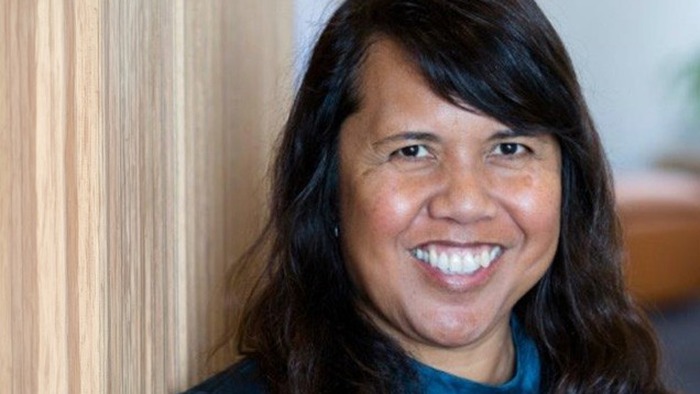
ESSSuper has confirmed Moana Weir as its Chief Executive Officer, ending a search that began when the Victorian superannuation fund lost its previous chief in August. The appointment was reported on 22 October 2026.
Weir had been acting in the role since Robbie Campo left the fund in the middle of August, so the board has had roughly two months of her running the organisation before settling the question. She came to the acting post from inside, having served as the fund's group executive for legal, governance, risk and compliance.
Pam Rebecca, board president of ESSSuper, made the appointment. She said Weir's skills, experience and leadership are exactly what the board was looking for to take the organisation forward, and that the fund is on an ambitious transformation journey.
Weir said the fund has a special purpose, to provide excellent retirement outcomes for its members.
Her background is governance rather than investment. She spent much of her career as general counsel and company secretary at listed Australian companies before moving into executive roles, and she has held two significant public appointments in Victoria, chairing the Victorian Equal Opportunity and Human Rights Commission and serving as the state's Local Jobs First Commissioner. That is a profile built on regulatory relationships, board process and public accountability.
For a fund of this kind that matters more than it might elsewhere. ESSSuper serves Victoria's emergency services and state sector, which means its members are concentrated in public employment and its board sits closer to government than a retail fund's would. A chief executive who has chaired a statutory commission and held a state commissioner's post arrives already fluent in that relationship.
The phrase the board president chose, an ambitious transformation journey, is also the one that explains the appointment. Australian superannuation has spent several years consolidating, and funds in the ten to thirty billion dollar range have faced steady pressure to merge, to cut unit costs or to demonstrate why they should remain independent. Transformation in that context usually means systems, administration and the member experience rather than the investment book, and those are programmes that live or die on governance discipline and on holding external providers to account.
Promoting the acting chief also removes an uncertainty the fund has carried since August. A transformation programme run by a caretaker is a programme whose decisions can always be deferred to a permanent successor, and confirming Weir closes that gap without the lag an external hire would have added.