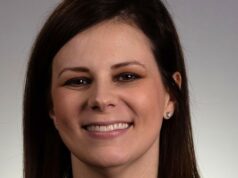


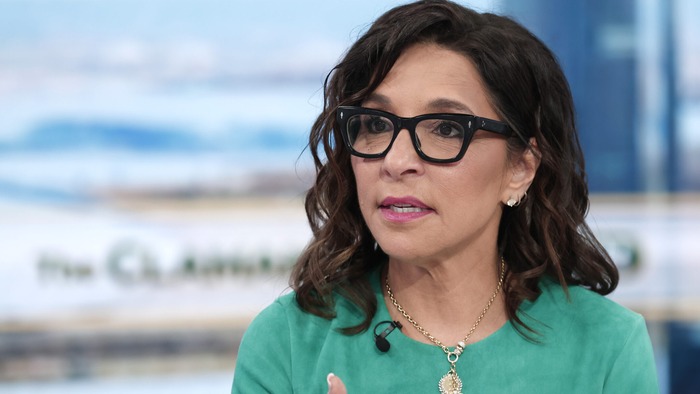
Better Home and Finance Holding has appointed Linda Yaccarino to its board of directors, adding one of the most recognisable executives in American media to the board of a digital mortgage lender.
Yaccarino spent two years as chief executive of the social platform X, having been recruited to the role from NBCUniversal, where she had been chairman of global advertising and partnerships. That earlier tenure is the substance of her record: she built and ran one of the largest advertising sales operations in American television, and was for years among the most powerful buyers and sellers of audience attention in the industry.
An advertising executive on a lender's board
At first glance the fit is unobvious. Better is a technology-led mortgage originator whose business turns on funding costs, conversion rates and regulatory compliance, none of which is an advertising discipline. The company went public through a blank-cheque merger and has spent the period since working to reduce its cost base and rebuild volume in an interest rate environment that has been hostile to mortgage origination throughout.
Read against that background the appointment is more coherent. Customer acquisition is the single largest controllable cost in direct-to-consumer lending, and it is fundamentally a marketing problem rather than a credit one. A lender that cannot originate loans cheaply has no path to profitability however good its underwriting, and the cost of acquiring a mortgage customer in a competitive digital market runs to thousands of dollars. Someone who has spent a career on the economics of attention, and who understands how large advertisers actually buy, is a plausible answer to that problem at board level.
There is a second reading, which is about brand repair and public standing. Better's path to the public markets was unusually turbulent and its leadership has attracted sustained press attention of a kind most lenders would prefer to avoid. Boards in that position often reach for directors who bring external credibility and who are comfortable in a public role. Yaccarino is, whatever else is true of her tenure at X, thoroughly practised at operating under scrutiny.
The appointment carries risk in the same breath. Her time running X was contentious, and a board seat does not come free of the associations attached to it. Directors are chosen partly for the signal they send, and this one will read differently to different shareholders.
What the appointment is not is a change of direction. A single non-executive seat does not reset a lender's strategy. It does suggest where the board believes its attention is best spent: not on the mechanics of lending, which the company has, but on the cost of reaching the people it wants to lend to.