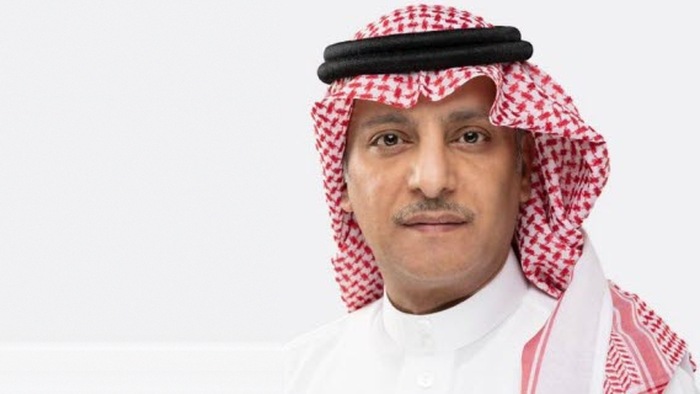
Bena Steel Industries Co. has reappointed Khalid Mohammad Saad AlBawardi as chairman of its board, and elevated Sami AlBawardi to vice chairman, in decisions the Dammam steel maker disclosed to the Saudi Exchange on 22 October 2026. Both appointments run for a four year term to the autumn of 2030.
The company also named Ibrahim AlAbdullatif as board secretary and constituted a remuneration and nomination committee chaired by the incoming vice chairman, with Saeed AlQahtani and the board secretary serving as members from outside the board. The composition of the audit committee was left to a separate announcement.
Bena Steel trades on Nomu, the parallel market of the Saudi Exchange, and processes flat steel products, fabricates structural steel and manufactures tube from its plant in Dammam. Fawaz Khalid AlBawardi continues as chief executive.
The board that emerged from this election is a family board, and the company's own prospectus sets out how firmly. At listing the chairman held just over a quarter of the share capital directly, and a further interest of about a third in Bawardi Holding Group, which was itself the overwhelming majority shareholder. Two further members of the same family sat on the board alongside him. The chief executive is a third. Nothing in the October election disturbs that structure; it confirms it for another four years.
That concentration is ordinary on Nomu and it is the reason the market exists. The parallel market was built with lighter listing and disclosure requirements precisely so that family-held industrial companies could raise capital without surrendering control, and the trade-off it offers is a lower compliance burden in exchange for restrictions on who may buy the shares. Judged against the purpose of the market, a board of this shape is the design working rather than a governance failure.
Where it becomes a live question is at the point of transition. A company whose chairman, vice chairman and chief executive are drawn from one family has no obvious internal counterweight when the interests of the controlling shareholder and the minority diverge, and the usual answer, a majority of genuinely independent directors on the key committees, is harder to assemble at this size. Bena Steel's response is visible in the committee it has just formed: both of the remuneration and nomination members sit outside the board, which imports judgement the board itself does not contain.
The audit committee, still to be announced, is the one that will matter more. It is the committee that signs off on the related party transactions a group structure of this kind generates, and its independence is the single clearest signal a Nomu issuer can send about how it intends to treat the shareholders who bought in at listing. Investors reading this election will be waiting for that second announcement rather than this one.
Saudi regulators have been tightening expectations on board reporting across both markets, which makes the composition of that committee a more consequential disclosure than it would have been a few years ago.