


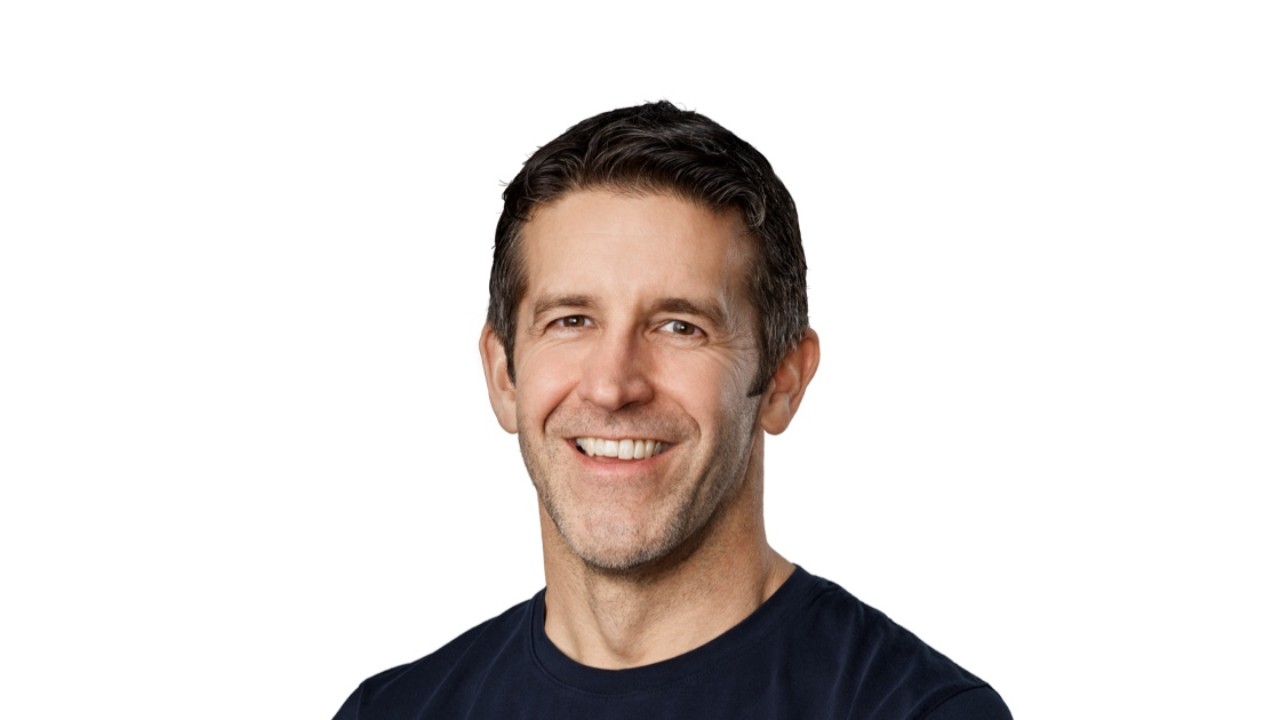
John Ternus became Chief Executive Officer of Apple on 1 September 2026, completing one of the most closely watched leadership transitions in corporate technology. Tim Cook, who had led the company since 2011, moved to the role of executive chairman in an orderly transition that the board approved unanimously and that Apple first announced in April 2026.
The handover was unusually well telegraphed. Apple published the succession four months before it took effect, which gave investors, suppliers and staff an extended period to absorb the change. That is the opposite of how most chief executive transitions at companies of this scale are handled, and it reflects a board that regarded the succession as settled rather than contested. Arthur Levinson, who served as non-executive chairman for the previous fifteen years, became lead independent director on the same date, completing a wider recomposition of the company's governance at the top.
Ternus is an internal appointment in the fullest sense. He joined the product design team in 2001 and spent the following two decades inside the hardware organisation, becoming senior vice president of Hardware Engineering in 2021. That background places him in the same lineage as the operations and engineering executives who have run Apple since its founder era, rather than the finance or sales backgrounds more common among large listed technology companies.
The engineering pedigree is relevant to the position he inherits. Apple remains overwhelmingly a hardware business by revenue, with the iPhone the single largest contributor, supported by a services segment that has grown into the company's most profitable division. A chief executive drawn from hardware engineering arrives with direct authority over the product cycle that generates most of the cash, which matters in an organisation where product decisions and financial outcomes are tightly coupled.
The strategic questions in front of him are well rehearsed. Artificial intelligence is the most prominent: Apple has pursued an approach weighted towards on-device processing and privacy while competitors have moved faster on large cloud-hosted models, and the market has not yet settled whether that positioning is a durable advantage or a delay. Beyond that sit the maturity of the smartphone category in developed markets, regulatory pressure on the App Store in both Europe and the United States, and the supply chain concentration that the company has spent years attempting to diversify.
There is a governance point worth noting alongside the appointment. Retaining an outgoing chief executive as executive chairman is a structure that draws scrutiny, because it can blur where authority sits. The counterargument, and the one boards generally make, is that continuity of relationships with regulators, suppliers and large shareholders has real value during a transition of this magnitude. How that balance settles in practice will become visible through who represents the company externally over the coming year.
Apple did not revise its financial guidance in connection with the change. The first substantive tests of the new leadership will be the autumn product cycle and the company's next reported quarter.