

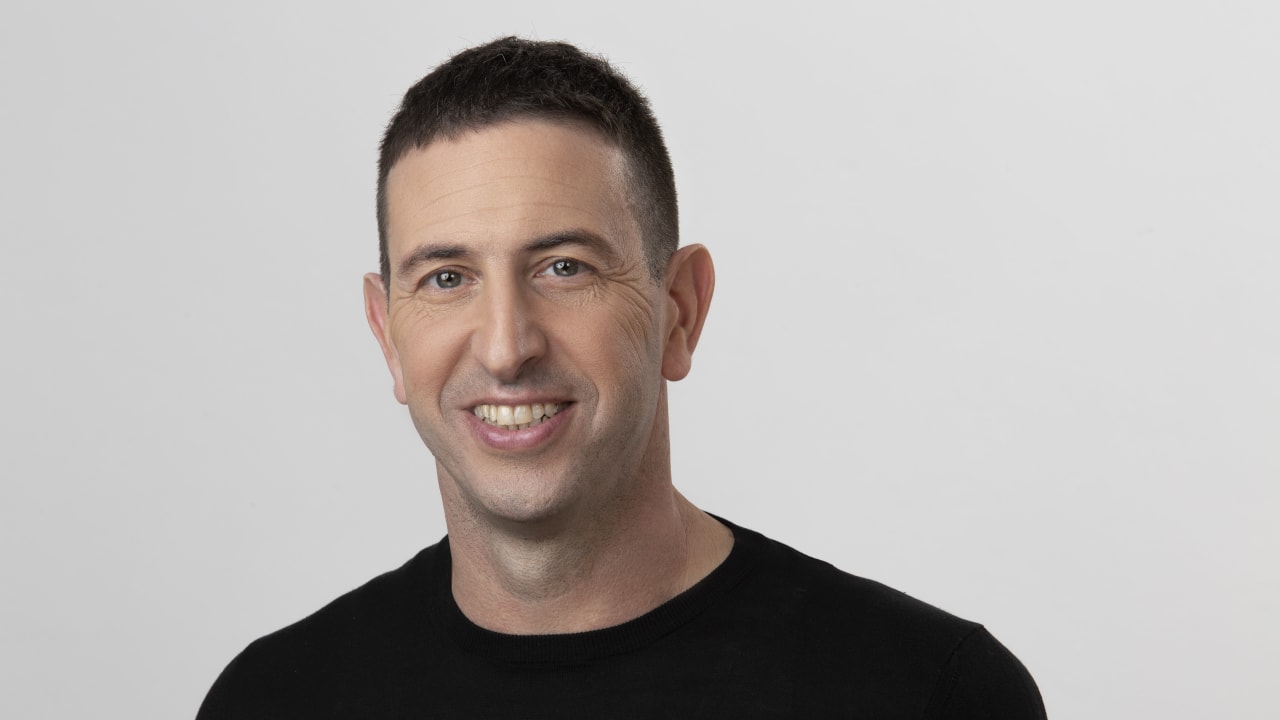
Keter Group, the Israeli resin-based consumer goods manufacturer, has appointed Udi Sagi as Chief Executive Officer, formalizing a leadership transition that began when Alejandro Pena stepped down as CEO in October 2024. Sagi, who joined the company in 2009, will lead the global operation spanning 20 manufacturing plants, distribution across more than 100 countries, and approximately 5,000 employees. The appointment signals Keter's confidence in nurturing executive talent internally as the company navigates operational demands following a failed 2021 initial public offering attempt and ongoing debt management challenges.
Sagi was named interim CEO on October 31, 2024, and the board of directors formalized his appointment as permanent CEO in January 2025. Tzachi Wiesenfeld, chairman of Keter's board, praised Sagi in a statement, saying he has demonstrated "exceptional leadership skills and a deep commitment to our values and mission" over his 15 years with the company. The board expressed confidence that Sagi's "extensive experience and capabilities" would guide Keter through its next phase of "innovation-led growth and operational excellence." No external search firm was involved in the process, indicating the board identified Sagi as the succession candidate internally.
Sagi has built a reputation as an operational innovator. He initially gained prominence within Keter for introducing automation into one of the company's largest production plants, transforming it into a significant profit driver. Over subsequent years, he advanced through several senior positions, including Managing Director of the company's Gardening and Leisure, Deck Boxes, and Outdoor business units. He holds a Master of Business Administration in Business Management and Marketing from Ono Academic College in Israel. His career progression reflects deep familiarity with Keter's manufacturing processes, product portfolio, and global supply chain operations.
Keter Group, founded in 1948 in Jaffa as a family workshop producing resin combs and housewares, has evolved into a global manufacturer of outdoor furniture, storage solutions, and garden products. The company is headquartered in Herzliya, Israel, with significant operations in North America and Europe. BC Partners and Canadian pension fund PSP Investments purchased an 80 percent stake in Keter in 2016 for 1.4 billion euros. The company attempted to go public on the New York Stock Exchange in September 2021 with Goldman Sachs, Jefferies, JP Morgan, and Bank of America as underwriters, but withdrew the offering. By 2023, the company faced debt-servicing challenges from its 2016 leveraged buyout, prompting PE backers to explore divestiture options, though management transitions have now shifted the strategic narrative toward internal stability.
Sagi's appointment reflects a pragmatic approach to leadership succession in a company with complex capital structure and debt obligations. Promoting an internal executive with deep operational knowledge avoids the cost and time of external recruitment while signaling continuity to stakeholders already navigating post-IPO restructuring (the company cut approximately 100 employees in October 2022 following the failed public offering). The timing is significant; appointing Sagi permanently six months after his interim assignment suggests the board utilized that interim period to assess his performance. His mandate to drive innovation and market expansion, coupled with responsibility for 5,000 global employees and 20 manufacturing facilities, positions him to prove whether internally developed operational expertise can stabilize a leveraged balance sheet and maintain market position against competitors such as Suncast in the outdoor storage and furniture sector. Success likely depends on Sagi's ability to balance growth investments with debt reduction in an industry sensitive to consumer discretionary spending trends.