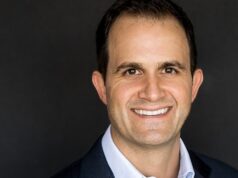


Oceana, the international ocean conservation organisation, has opened its first office in Africa, in Ghana, and appointed Sonia Kwami to lead its campaigns there. The organisation announced the move in March 2026.
Kwami will oversee Oceana operations in Ghana and lead campaigns developed in allyship with fish reliant communities, with the aim of rebuilding fisheries, boosting food and nutrition security and safeguarding coastal livelihoods. Her appointment marks Oceana first permanent presence on the African continent.
She brings more than 22 years of experience leading campaigns, building coalitions and influencing policy across Africa and globally. Before joining Oceana she was part of the global executive team at 350.org as Head of Campaigning and Organising, and she has held leadership roles with the ONE Campaign, Oxfam International, the Global Call to Action Against Poverty and VSO Ghana.
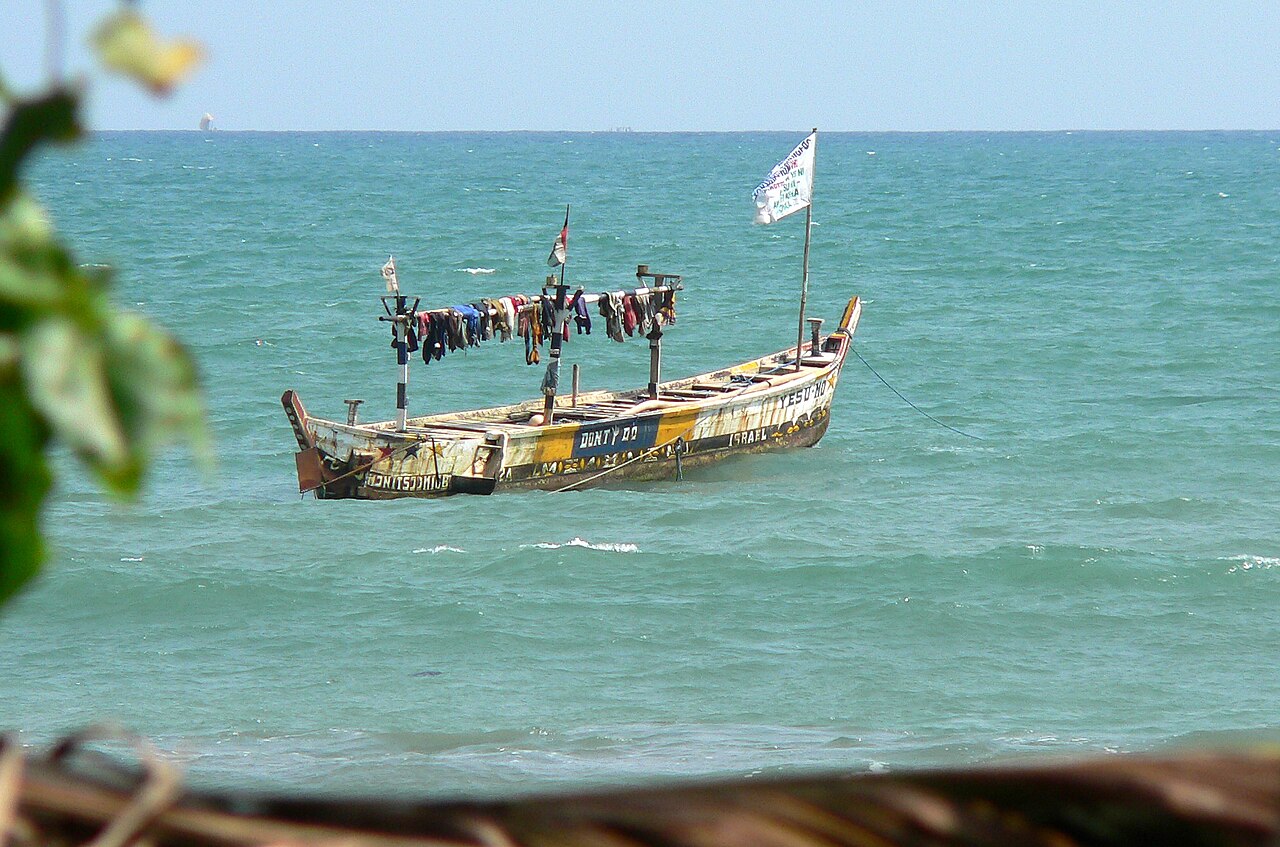
The opening of an African office reflects a broader effort by Oceana to expand its work beyond its established regions and into waters where coastal communities depend heavily on healthy fisheries. West Africa fisheries support millions of livelihoods, and pressures such as overfishing and habitat loss have made ocean conservation an urgent economic as well as environmental concern.
By appointing a campaigner with deep roots in African civil society, Oceana signals an intention to ground its work in local communities and coalitions rather than to import an external model. Kwami track record spans climate justice, economic justice, public health and poverty eradication, giving her a broad network across the continent advocacy landscape.
For the organisation, the challenge in a new region is to translate its campaigning model, which has secured policy victories against overfishing and habitat destruction elsewhere, into the specific context of Ghana and its neighbours. Leadership that understands both the science and the politics of coastal communities is central to that effort.
Kwami early priorities are likely to include building relationships with government, fishing communities and civil society, and setting a campaign agenda that reflects local needs while drawing on Oceana global experience. Establishing credibility and partnerships in the first months will shape the office long term impact.
The appointment also reflects a wider pattern of international nonprofits investing in regional leadership and local offices rather than directing work from headquarters. Placing an experienced campaigner at the head of a new African operation gives the effort both local legitimacy and a direct line to the organisation global resources.
Oceana said the new office and its leadership would support campaigns aimed at rebuilding fisheries and protecting the coastal communities that depend on them, as the organisation extends its ocean conservation work into Africa.