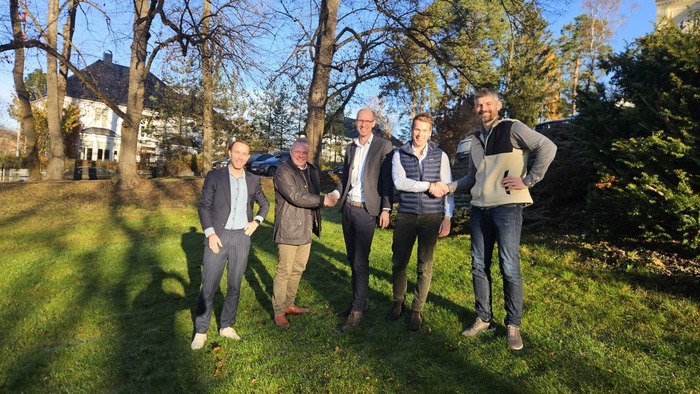
Betonmast Asker og Baerum has been awarded the rehabilitation and conversion of Stanseveien 28 in Oslo for the property developer ORO, the fourth building the two firms have taken through the developer's LogCap programme. The contractor announced the award on 12 November 2026.
The job covers the adaptation of 5,000 square metres of office, canteen and production space. Handover is planned for the fourth quarter of 2027, and the developer expects the completed building to hold around 170 workplaces. Neither party disclosed a contract value.
LogCap is a portfolio strategy rather than a single asset, and that is what makes the fourth award more interesting than the third. Repeat appointments on a programme of this kind change the economics for both sides: the contractor carries forward crew familiarity, supplier terms and a set of technical solutions that have already been through a building once, while the developer avoids re-tendering and re-pricing each conversion from scratch. On conversion work, where the cost risk sits behind the existing structure rather than in the drawings, that accumulated knowledge is worth real money.
The asset class also explains the pairing. Stanseveien sits in Oslo's eastern industrial belt, where older light-industrial and logistics stock is steadily being reworked into mixed office, workshop and production space for occupiers who want operational floor area close to the city rather than a pure office floor. That occupier is not well served by either a conventional office refurbishment or a distribution shed, which is why developers have been assembling dedicated portfolios to serve it.
For the builder, the award is the second Oslo-region conversion contract it has announced in November, and it follows a larger rehabilitation award at Fornebu earlier in the month. Taken together the two point at where the firm's order intake is now coming from: adaptation of standing buildings for identified occupiers, rather than speculative new construction. That is a defensive position in a Norwegian market where new commercial starts remain subdued, and it trades a lower headline contract value for shorter lead times and a client who has already committed to the use.