The Brisbane Truck Show returns to the Brisbane Convention and Exhibition Centre for four days in the autumn of 2027, running from the twentieth to the twenty third of May. The dates and venue are carried identically on the show's own site and on the website of Heavy Vehicle Industry Australia, the association that presents the event, and the two surfaces agree on both.
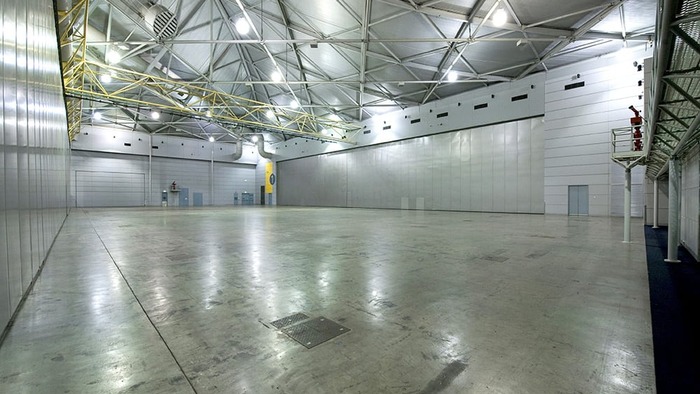
The show is the largest gathering of the Australian road transport industry and has run on a biennial cycle out of the South Bank precinct for decades. It occupies the whole of the exhibition centre rather than a single hall, which is what allows prime movers, rigid trucks, trailers and workshop plant to be displayed at full scale indoors. For the manufacturers and distributors that take space, the four days function as the principal product launch window of the two year cycle in this market.
The commercial audience is broader than the vehicles on the floor suggest. Fleet owners and transport operators attend to specify and order equipment, but so do the financiers, insurers, telematics vendors, fuel and energy suppliers and compliance advisers who sell into those fleets. For a chief executive or chief financial officer running a logistics business, the concentration of suppliers across the capital equipment, financing and technology stack in one building is the practical argument for the trip.
The association represents manufacturers, importers and suppliers across the heavy vehicle sector and uses the show as its principal industry platform. The association has not published an exhibitor list or a floor plan for the next edition at the time of writing, and no exhibitor numbers are claimed here.
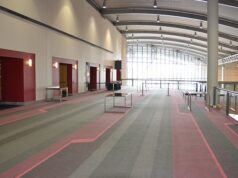
The venue sits on the southern bank of the Brisbane River, immediately across from the central business district, and combines exhibition halls with plenary and meeting space under one roof. That mix matters for a show of this kind, because the conference and technical sessions that accompany the vehicle displays draw a different delegate from the exhibition floor itself, and operators commonly split their time between the two.
Timing places the event in the first half of the year, well clear of the end of calendar year trading period, which suits capital equipment buyers working to a financial year that closes at the end of June in this market. Orders written on the floor frequently sit against the following financial year's budget, and the gap between the show and the close of the year is part of why the May slot has held.
For executives tracking the Australian freight and logistics sector, the show is also a read on capital expenditure appetite. The weight of new model launches, the presence or absence of alternative drivetrain displays and the mood on the financing stands have historically been a reasonable proxy for how operators are planning their replacement cycles, and that signal is available to visitors long before it reaches published industry data.