

Saudi Aramco has acquired a 49 per cent stake in HUMAIN, the Saudi artificial intelligence company, with Public Investment Fund retaining 51 per cent, the two parties said in an announcement from Dhahran on 1 November 2026.
The oil company is contributing approximately SAR 9.9 billion, which the release also states as 2.6 billion dollars, in cash during the current year, acting through a wholly owned subsidiary. Beyond the cash, both shareholders are contributing artificial intelligence assets, capabilities and talent, and the producer is transferring what the release calls key AI assets. The announcement describes the transaction as closed and sets out no conditions, regulatory approvals or remaining steps. It does not place a valuation on the business, does not value the contributed assets, and does not disclose governance terms such as board seats or voting rights.
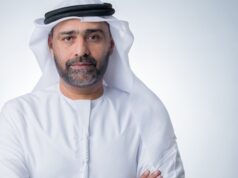
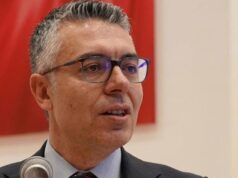
Yazeed A. Al-Humied, Deputy Governor and Head of MENA Investments at the sovereign fund, said the deal "creates a powerful synergy" by bringing the two shareholders' artificial intelligence investments together under one company. Amin H. Nasser, President and Chief Executive of the producer, said the partnership "strengthens Aramco's position as a global technology leader and AI powerhouse", and cited 11.3 billion dollars in what the company calls technology realised value since 2023.
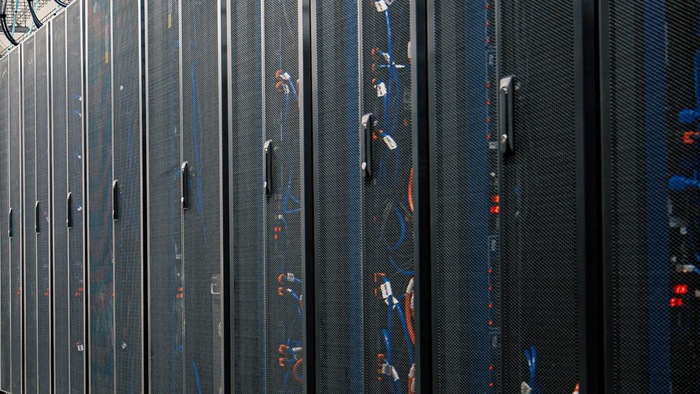
The target was launched in the middle of last year to build full stack artificial intelligence capability across four areas: next generation data centres, high performance infrastructure and cloud platforms, advanced models including a multimodal Arabic large language model called ALLaM, and applied solutions for public and private sector customers. It plans to deploy three gigawatts of data centre capacity by the end of the decade and states an ambition to become a leading global exporter of artificial intelligence.
The structure is the interesting part. The sovereign fund keeps control, so this is not a sale of the asset but a consolidation: two state linked balance sheets that were each building artificial intelligence capability separately have stopped duplicating one another. For the energy producer, the logic is that compute at three gigawatts is an energy problem before it is a software problem, and it is the shareholder best placed to supply power, land and industrial project management at that scale.
What the disclosure withholds is as telling as what it gives. Without a valuation, the cash figure alone does not reveal what the company is worth, because the asset contributions on both sides are unpriced. Without governance terms, the practical question of who directs capital allocation at a company with one majority and one very large minority shareholder is unanswered. Both are the kind of detail that usually surfaces later in an annual report rather than in a closing announcement.
The wider context is a Gulf race to own artificial intelligence infrastructure rather than rent it, in which the binding constraints are power, chips and capital. This transaction addresses two of the three directly and says nothing about the third.