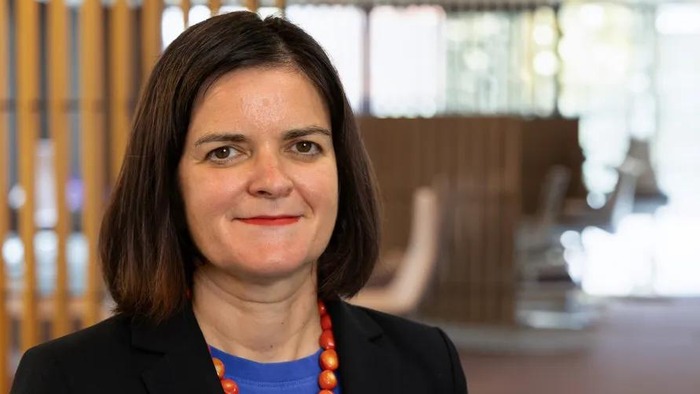
The Financial Conduct Authority has appointed Sarah Pritchard to its Board as an executive member, in her role as deputy chief executive of the regulator, alongside two non executive appointments made by HM Treasury.
The three appointments were announced on 30 September 2026 and took effect the following day.
Pritchard is the only one of the three to join as an executive. The FCA said she has held several senior leadership roles at the regulator and plays a key part in delivering its five year strategy. Her board seat formalises at board level a deputy chief executive role the FCA created to manage a growing remit, and it places the regulator's second most senior executive inside the body that holds the executive to account.
Lea Paterson joins as a non executive director appointed by HM Treasury. She is Chair of the Senior Salaries Review Body, a Civil Service Commissioner and a board member of the Independent Parliamentary Standards Authority. Paterson held several senior roles at the Bank of England, including executive director for People and Culture and the Bank's first director of Independent Evaluation. Earlier in her career she was economics editor at The Times and worked at The Independent. She was appointed CBE for services to the economy in 2023.
Matthew Tobin also joins as a Treasury appointed non executive director. He was a partner at Slaughter and May, where he worked as a senior financing lawyer with more than twenty years advising government, regulators and major financial institutions. His named mandates include advising HM Treasury on the Asset Protection Scheme, the Credit Guarantee Scheme, the COVID Corporate Financing Facility and the nationalisation of Bradford and Bingley. He has also advised FTSE 100 and FTSE 250 boards. He holds a degree in modern history from the University of Oxford.
The FCA named no predecessor for any of the three.
Read together, the three appointments say something specific about where the regulator thinks its risks now sit. Paterson's background is in institutional evaluation and in pay and people governance at a central bank, which is the skill set a board reaches for when it wants independent assurance that an executive is doing what it says it is doing. Tobin's is in crisis financing: the Asset Protection Scheme, the Credit Guarantee Scheme and the Bradford and Bingley nationalisation are the three canonical UK interventions of the last two financial shocks, and a board that adds a lawyer who worked all three is thinking about the next one.
Pritchard's executive seat is the structurally interesting one. Putting a deputy chief executive on the board is not a neutral act, because it changes the balance between executive and non executive voices in the room. Regulators that have done it elsewhere have usually done so when the breadth of the remit has outgrown what a single chief executive can carry into board discussions. The FCA's own framing, a growing remit and a five year strategy to deliver, points the same way.
The timing matters too. The FCA has been under sustained pressure to show it can support growth and competitiveness without diluting consumer protection, a tension written into its own objectives. A board that has just added evaluation expertise, crisis financing expertise and a second executive voice is a board being equipped for argument rather than for consensus.