

Saudi Aramco is planning to reorganise from two business segments into three, carving out a standalone gas division with its own president alongside the existing upstream and downstream arms, according to a Reuters report published on 22 September 2026 and attributed to people familiar with the matter. Aramco has not confirmed the plan.
The new gas arm would be responsible for developing domestic gas resources and for building an international liquefied natural gas portfolio. The report also said Aramco is exploring subsidiary listings and further lease and leaseback financing to fund the expansion.
The company has used that financing structure before. In 2025 Aramco raised 11 billion dollars through a lease and leaseback transaction covering Jafurah gas processing facilities, with a consortium led by Global Infrastructure Partners, which is owned by BlackRock.
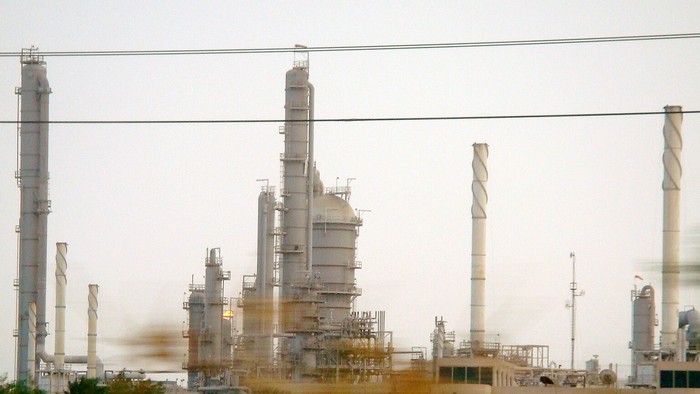
Jafurah itself is the asset the reorganisation appears built around. It has been described as potentially the largest shale gas project outside the United States and began producing in 2025. At peak, Aramco's unconventional gas programme is expected to generate electricity equivalent to displacing 500,000 barrels a day of crude oil.
The pattern this follows
Creating a separately led division with its own president, then exploring a subsidiary listing, is a recognisable sequence. It is the template Gulf national champions have converged on over the past several years: sell investors a stake in the cash flows of a discrete business while retaining operational control of it. Separating the segment is the precondition, because a business cannot be listed or partially sold until it has its own accounts, its own management and its own capital story.
The timing matters as much as the structure. Saudi Arabia needs non oil capital, and gas is the part of the hydrocarbon complex with the clearest long horizon demand case, which makes it the most saleable equity story Aramco currently has. Displacing crude from domestic power generation also frees barrels for export, so the domestic gas programme carries a second economic argument that is independent of the LNG ambition.
What boards should take from it
For any board with Saudi energy exposure, or competing for LNG offtake, the signal is that a very large new counterparty is being assembled and capitalised. For investors, the more interesting question is governance: a subsidiary listing creates minority shareholders inside a state controlled group, and the terms on which their interests are protected will be scrutinised closely.
The caveat is that none of this is confirmed. The reporting rests on unnamed sources and Aramco has said nothing publicly, so the plan should be read as a well sourced intention rather than a decision taken.