

The European Commission has cleared Greece to draw a further 11.32 billion euros from the European Union recovery fund, approving the country's eighth and ninth payment requests together and closing out its allocation under the programme.
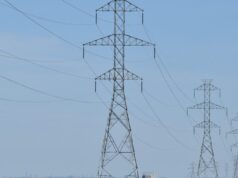
The decision, announced on 20 November 2026, covers two tranches assessed as one. The eighth request was tied to 37 milestones and 12 targets. The ninth, substantially larger, carried 106 milestones and 17 targets, among them connecting the Cyclades islands to the mainland electricity grid and completing renovation works across 52 hospitals. Athens had to satisfy every condition in both sets before any money moved.
For a country that spent most of the last decade under supervision, the significance is less the headline figure than what it marks. Greece is now at the end of its recovery facility allocation rather than in the middle of it, and the milestones cleared in this round are infrastructure deliverables rather than legislative promises. Grid interconnection and hospital capital works are the kind of commitments that are difficult to report as complete without physical evidence, which raises the bar on the assessment compared with earlier tranches weighted toward reform legislation.
The commercial read is in what comes next. Recovery funding has underwritten a large share of Greek construction, energy and digital infrastructure order books since the facility opened, and contractors operating in the market have planned capacity around it. A final payment request is also a cliff edge: once the facility closes, the pipeline it supported either transfers to the national budget and the next structural funds round or it does not. Boards with Greek exposure will be watching the replacement profile rather than celebrating the drawdown.
It also lands in a week when the same institution took a harder line elsewhere. Hungary and Poland both had final requests only partially approved, each with one unmet condition withheld pending further evidence. Greece clearing in full, against 161 combined milestones and targets, is a comparative result rather than an isolated one, and it strengthens the government's position in negotiations over the next funding cycle.
The facility was financed by joint European Union borrowing and disbursed against verified performance rather than as a block grant.