


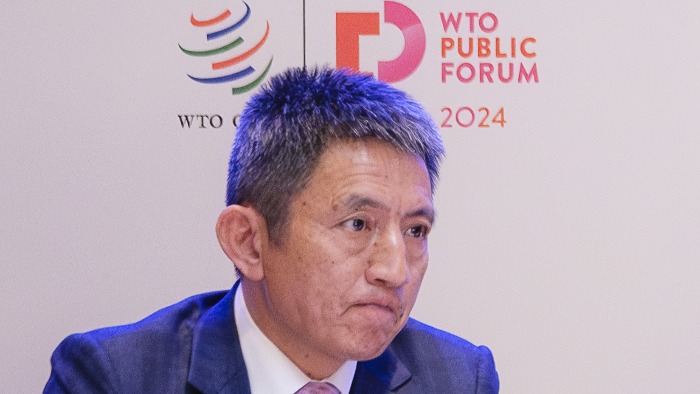
China has elevated Li Chenggang to the position of International Trade Representative of the People's Republic of China on September 20, 2026, marking a significant structural shift in Beijing's approach to global trade diplomacy as tensions with the United States persist and high-level negotiations loom. The appointment was announced by the State Council on Sunday, hours before delegations from China and the US were set to meet in New York and just days before an anticipated summit between President Xi Jinping and US President Donald Trump on September 24.
Li's elevation represents a change in title rather than role, shifting his designation from the Ministry of Commerce's international trade negotiator to a broader national-level position carrying ministerial rank. The new title formally vests Li with a People's Republic of China mandate rather than limiting his authority to the commerce ministry, bringing the position into closer institutional parity with that of US Trade Representative Jamieson Greer. No rationale was provided for the change by the State Council. Li has held his previous post since April 16, 2025, when he succeeded Wang Shouwen, a veteran trade negotiator who had led China's trade diplomacy through the first phase of the US-China trade war.
Born in February 1967 in Taihu County, Anhui province, Li brings a legal background and multilateral experience to one of China's most consequential diplomatic positions. He holds a law degree from Peking University and a master's in law and economics from the University of Hamburg. Li previously served as assistant minister of commerce from 2017 to 2021, handling trade disputes and legal matters at the commerce ministry. From February 2021 to October 2025, he represented China as permanent representative and ambassador to the World Trade Organization and deputy permanent representative to the United Nations Office at Geneva, positions that gave him deep expertise in multilateral trade rules and dispute resolution mechanisms.
China's Ministry of Commerce operates under Commerce Minister Wang Wentao and remains central to managing the world's most consequential trade relationship. The appointment occurs as Beijing and Washington navigate a complex landscape marked by high tariffs and competing economic strategies. As of August 2026, both nations had extended a tariff truce agreed in Busan, with China facing 30 percent duties on its exports to the US while imposing 10 percent reciprocal tariffs on American goods. A Board of Trade mechanism launched earlier in 2026 has been working to ease barriers on approximately 30 billion dollars of products, representing one avenue for bilateral cooperation.
The structural elevation of Li's position signals that China seeks to position itself as an equal negotiating partner in high-level trade talks, moving beyond ministerial-level discussions to a representative status that mirrors the US structure. Analysts characterize Li as well-prepared and pragmatic, with extensive knowledge of trade law and an ability to listen carefully before responding. His appointment in April 2025 came at a moment of escalation, days after Beijing imposed 125 percent tariffs against Washington. The fact that Beijing has chosen to formalize and elevate Li's role ahead of the Trump-Xi summit suggests China views structured, law-focused negotiations as a path forward, though the substance and outcomes of upcoming talks remain uncertain given the scale of tariff disagreements and structural economic differences between the two powers.
Photo: World Trade Organization via Wikimedia Commons, licensed CC BY-SA 2.0.