


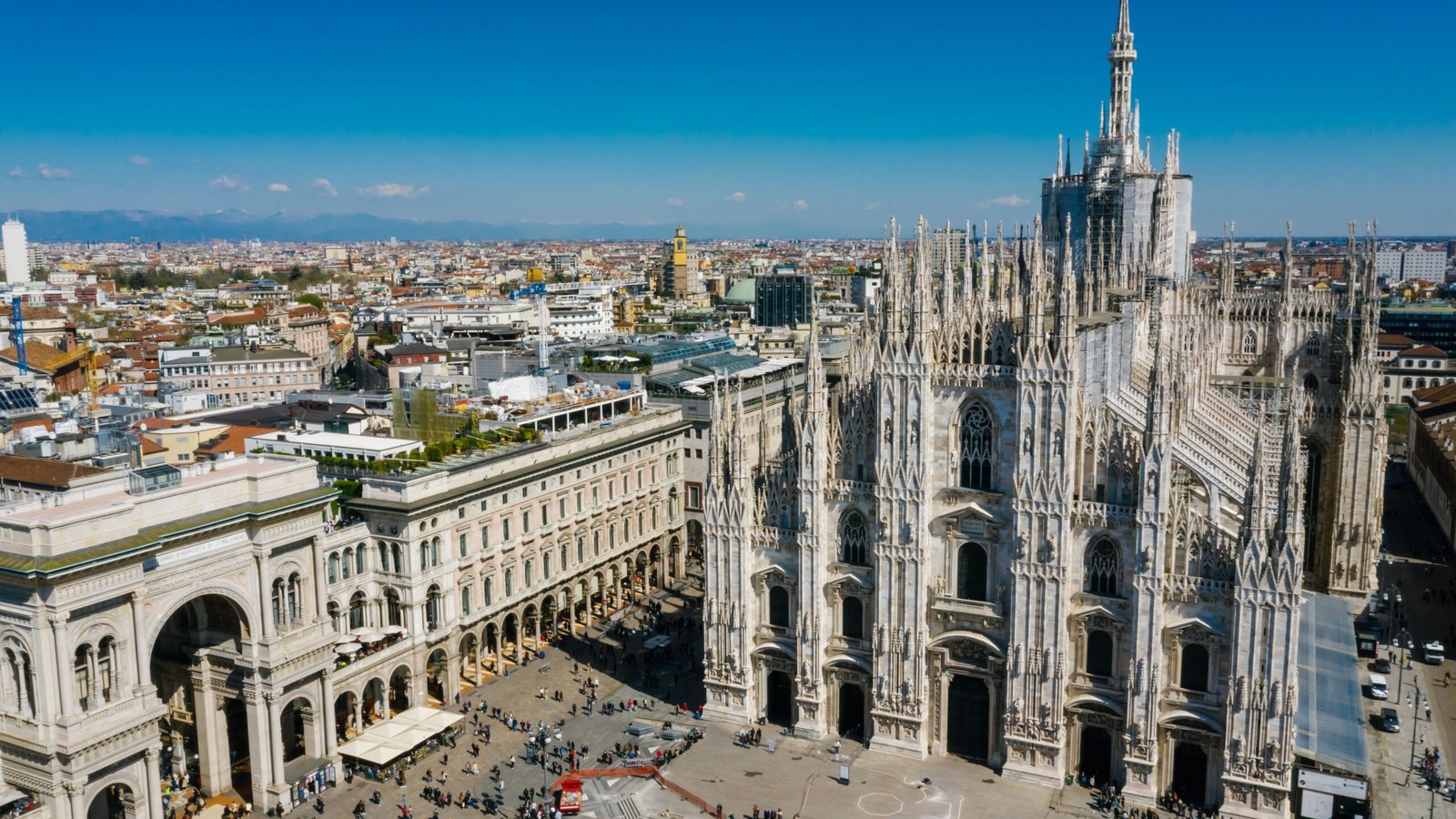
Il Salone dei Pagamenti 2026 is Italy's principal conference and exhibition on payments and payment technology, and the organiser states that the eleventh edition will be held on 24, 25 and 26 November at the Allianz MiCo in Milan. The year is 2026. The event is held under the banner Payvolution, which the organiser uses as the forum's thematic identity, and it combines a conference programme with an exhibition area in the Milan congress centre. Its position in late November places it at the end of the Italian financial sector's event calendar, when the following year's budgets and regulatory timetables are largely settled.
The event is organised by ABIEventi, the events division of ABIServizi S.p.A., which the organiser's own pages state is subject to the management and coordination of the Associazione Bancaria Italiana, the Italian banking association. That lineage is the most important structural fact about the gathering, because it means the forum is convened by the sector's own representative body rather than by an independent commercial organiser. In practice that gives the event direct access to the Italian banking industry's institutional layer and makes it a place where the sector's collective positions are set out, rather than a neutral marketplace.
On scale, the organiser reports more than 16,000 attendances, a figure that relates to the 2025 edition rather than to a projection for 2026. The subject matter is the payments business in its full width: the technology and infrastructure that moves money, the regulatory framework governing it, the commercial models of banks, payment institutions and their technology suppliers, and the shifts in consumer and business payment behaviour that drive all of it. Because the organiser belongs to the banking association, the regulatory and supervisory dimension tends to carry more weight here than at vendor led payments conferences, where the emphasis falls more heavily on product.
The audience is the senior and specialist layer of banking and payments: retail and transaction banking leadership, payments and digital channel executives, operations and technology management, compliance and regulatory affairs functions, and the payment institutions, processors, card schemes and technology suppliers that serve them. Consultancies, law firms and the supervisory and institutional community also attend. For a supplier the event is the main annual opportunity to reach Italian banking buyers collectively; for a bank it is a scan of the supplier market and of what peers are doing, conducted in a sector where many infrastructure decisions are effectively taken in common.
The event matters because of how much of the payments agenda is currently being set at a European rather than national level, and how much of it lands on Italian banks at once. Instant payments obligations, the long running work on a European payments scheme that reduces dependence on non European card networks, the open banking and open finance framework, and the European Central Bank's digital euro programme all require Italian institutions to commit capital and operational capacity on timetables they do not control. Italy adds its own characteristics to that picture, including a payments market that has shifted from cash towards cards and digital methods comparatively recently and quickly, and a banking sector that has consolidated substantially. For an executive in or selling into that market, a three day forum convened by the banking association is the most efficient place to read how the Italian sector intends to respond, which is information that is otherwise distributed across many private conversations.