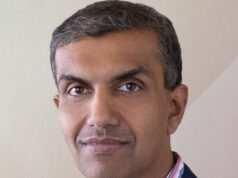


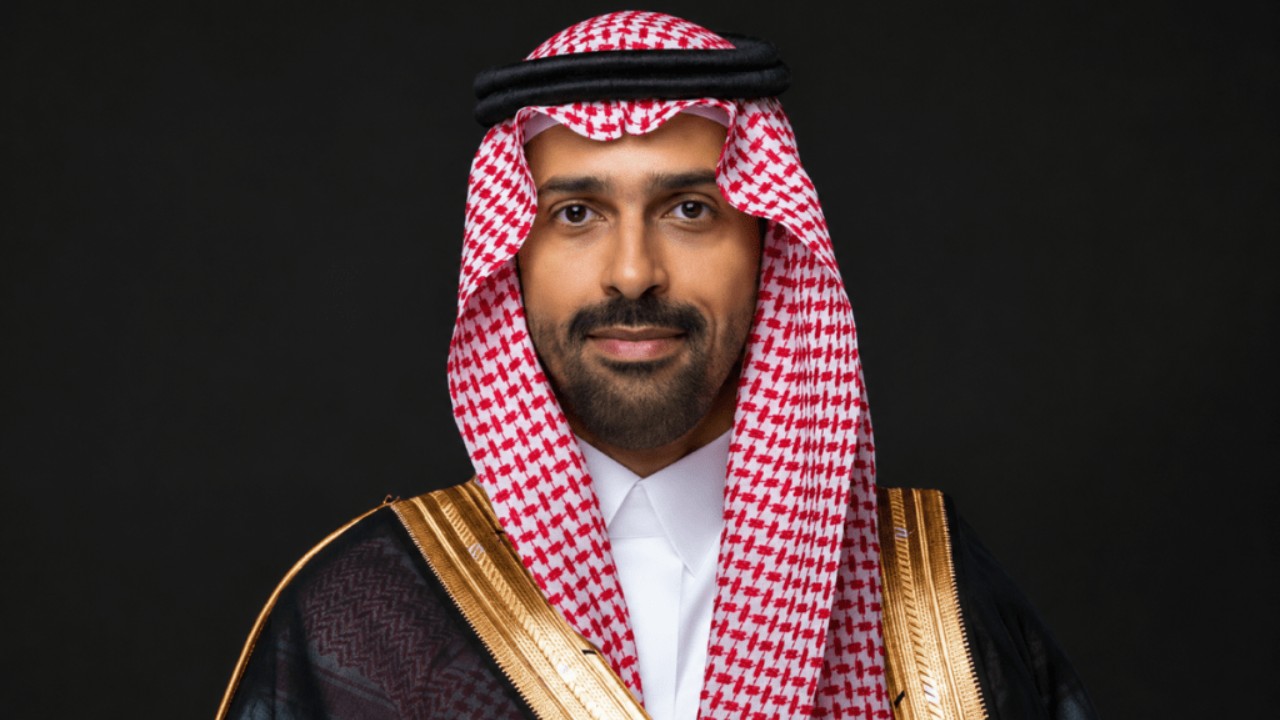
The Saudi Tourism Authority has appointed Ageel Alshaibani as its chief executive officer, filling a vacancy created when Fahd Hamidaddin left the organisation in May 2026. The appointment was reported on 2 September 2026.
He arrives with a background spanning government and consulting. He served as deputy tourism minister for strategic planning, and before entering government worked at McKinsey and Company. The combination gives him direct experience of how the kingdom tourism strategy was designed as well as of the machinery that has to deliver it.
He inherits a target that has become one of the most closely watched numbers in the kingdom diversification programme: 150 million annual visitors by 2030. The authority remit is to market the country as a destination and to build the demand side of a sector that has absorbed very large amounts of capital on the supply side. Hotels, airports, entertainment districts and heritage sites have been financed and built at pace; filling them is a separate problem, and it is the one this appointment is meant to address.
The timing comes as the kingdom moderates spending on parts of its Vision 2030 programme, and that context shapes the job. A destination marketing authority operating in an expansionary phase can rely on new hotel rooms, attractions and air links arriving on schedule to support its campaigns. One operating in a phase of capital discipline has to generate demand against a supply pipeline that may be slower and more selective than originally planned. The two situations call for different approaches, and the second is the harder brief.
A strategic planning background is a reasonable fit for that situation. The harder task is not writing the plan but sequencing it: deciding which source markets, which seasons and which visitor segments to prioritise when the budget will not stretch to all of them at once. Consulting experience is useful for that kind of triage, though running a national marketing organisation with its own staff, standing commitments and political stakeholders is a materially different discipline from advising on one.
There is also an internal dimension. The organisation has been without a permanent chief executive for several months, and periods of acting leadership tend to slow decisions and leave initiatives in a holding pattern. Settling the leadership team and restarting stalled commitments is likely to occupy the first phase of the tenure before any strategic repositioning becomes visible externally.
Having served inside the tourism ministry, the incoming chief executive arrives already known to the officials who set policy and allocate budget, which shortens the time usually lost to establishing credibility with government counterparts. That is an advantage in a sector where the marketing authority, the ministry and the developers building the supply have to move roughly in step.
The authority has not published a revised visitor target or a change of strategy alongside the appointment, and the 150 million figure remains the stated goal. Whether it is reaffirmed, restated or quietly rebased under the new chief executive will be the clearest early signal of how the organisation reads its own position.