


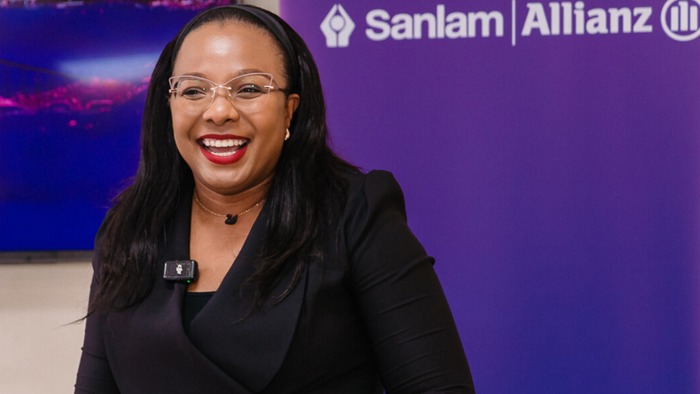
Sanlam Allianz Holdings (Kenya) PLC has named Jacqueline Karasha as its chief executive officer, confirming the appointment in a public notice to shareholders dated 15 October 2026. She takes up the role with effect from the first of November.
Karasha moves up from the group's life insurance business in Kenya, where she has served as chief executive and principal officer. The promotion places her at the head of the listed holding company that sits above the group's underwriting subsidiaries, and makes her responsible for a balance sheet, a distribution network and a regulatory relationship that she has until now dealt with from one business unit rather than from the centre.
She succeeds Patrick Tumbo, who retires at the end of October after leading the group since 2018. The board set out the handover in the same notice, giving the incoming chief executive a start date that follows her predecessor's departure by a single day and leaving no interim arrangement in between. Tumbo's tenure covered the period in which the business was reshaped around a new ownership structure and a new name, so the succession hands his replacement a group that has already absorbed most of that change.
The holding company is listed on the Nairobi Securities Exchange and reached its present identity through a rebrand completed over the past year, when the business formerly known as Sanlam Kenya adopted the Sanlam Allianz name used across the wider African partnership its shareholders have built. That exercise was more than cosmetic. It aligned the Kenyan listed entity with a continental platform, and it signalled to the local market that decisions about capital, product and technology would increasingly be taken with reference to a group operating in many countries rather than one.
The appointment also lands in the middle of a structural change the company has put to its own shareholders. The board has called an extraordinary general meeting for November to consider moving the life insurance business, the unit Karasha has been running, into a different position within the group. A chief executive who has led that subsidiary is therefore taking charge of the parent at precisely the moment the parent is deciding what to do with it, which is an unusual degree of continuity between the operating detail and the strategic question.
Her immediate task is the one every Kenyan insurance chief executive now faces. Insurance penetration in the country remains low by the standards of comparable middle income markets, so growth depends less on taking share from rivals than on reaching customers who hold no cover at all. That is a distribution and pricing problem before it is an underwriting one, and it has pushed the larger groups towards bank partnerships, mobile channels and simpler products sold in smaller amounts.
Karasha arrives with the operating record that argues she understands the problem from the inside. The life business she has led is the part of the group closest to retail customers and to the retirement and savings products that carry the industry's long duration liabilities. Running the holding company will require the same judgement applied across general insurance, asset management and the group's capital position, under the oversight of a board that has just signalled it wants continuity rather than a change of direction.
The company said the board made the appointment after a process it did not describe in the notice. No further changes to the executive team were announced alongside it.