


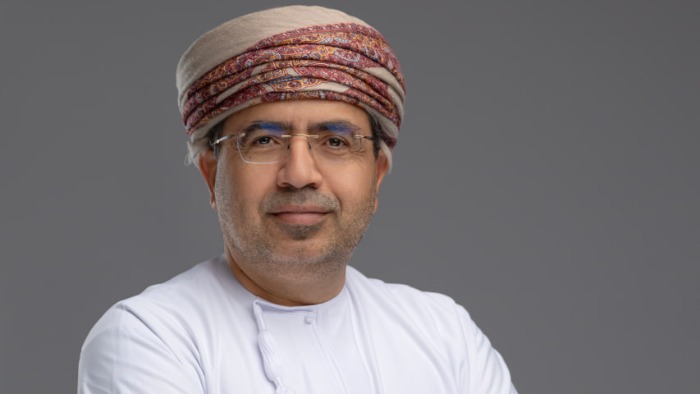
Otech, the technology company created by Omantel to consolidate the group's information and communications technology assets, has appointed Maqbool bin Salim Al Wahaibi as chief executive officer. The Muscat based company confirmed the appointment in a statement on its official channels on 7 September 2026, saying his leadership would guide the business into its next chapter as it strengthens its position as a technology solutions provider.
Al Wahaibi had been acting chief executive officer of Otech since the company was launched earlier this year, and the announcement converts that interim mandate into a permanent one. The orderly move from acting to confirmed chief executive gives Otech continuity at the top at a point when the business is still integrating units that were previously run separately inside the Omantel group.
Otech was launched by Omantel on 11 February 2026 and positioned as a unified provider of future technologies and an enabler of digital transformation, intended to act as a single point of contact for information and communications technology solutions in the Sultanate. Aladdin bin Abdullah Baitfadhil, chief executive officer of Omantel, serves as chairman of Otech. The company consolidates group technology assets under one operating model, including Oman Data Park and Tadoom, and its service lines span data centres, cloud computing, cybersecurity, artificial intelligence, the internet of things and systems integration at national and regional level.
Al Wahaibi comes to the role from Oman Data Park, where he was chief executive officer. Oman Data Park was the Sultanate's first managed and cloud service provider, and under his leadership it developed services for banking and financial institutions, oil and gas, healthcare, government, education and professional services customers. He has more than two decades of experience across information and communications technology engineering, software development and business building, and now oversees the same data centre and sovereign cloud capability as one component of a considerably larger platform.
At the launch of Otech, Al Wahaibi said the integration of Oman Data Park into the Otech ecosystem represented a qualitative leap in the development of digital infrastructure, and that the company would draw on its experience operating data centres and sovereign cloud services to support public and private institutions. He tied the work to strengthening data localisation in Oman and to giving government entities and private organisations access to advanced cloud environments that meet current and future business needs.
The commercial stakes are significant. Otech operates what the company describes as the most diverse cloud computing ecosystem in Oman and says it is the first in the Middle East to obtain accreditation from Amazon Web Services to deliver sovereign cloud services. Its platform is built to run workloads across public, hybrid and hyperscaler cloud environments, supported by partnerships with global technology vendors. In June 2026 the company launched the CISO100 Oman initiative with PwC Middle East to develop the country's next generation of cybersecurity leaders, and it has added further enterprise software and cybersecurity collaborations through the year.
For Omantel, Otech is the vehicle for a shift from telecommunications operator to broader technology provider, aligned with the digital economy pillar of Oman Vision 2040 and the Eleventh Five Year Plan. That makes the chief executive role a central one for the parent group's diversification case, in a national information and communications technology services market the company expects to grow on the back of government digital transformation programmes. The immediate agenda for Al Wahaibi is completing the integration, converting launch partnerships into recurring revenue, and building the Omani technical workforce the company has committed to developing.