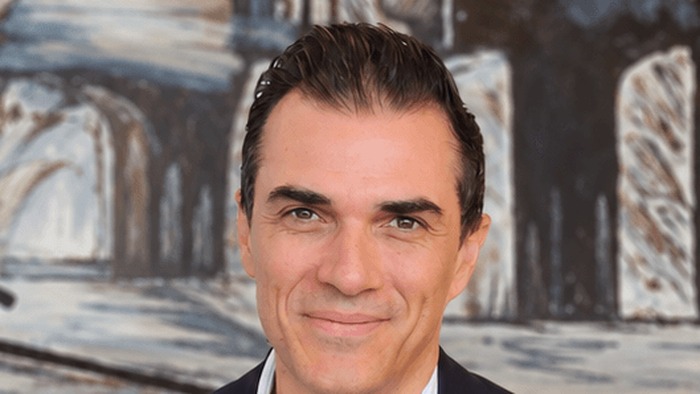
Amsa Hospitality has appointed Pieter Liebenberg as General Manager of Radisson Hotel Riyadh Airport, giving the four star property a hotelier with more than twenty years of international operating experience at a point when the operator is still bedding in its management of the asset.
The hotel carries 471 rooms and sits roughly five kilometres from King Khalid International Airport, which places it in one of the more defensible segments of the Riyadh market. Airport hotels trade on proximity and reliability rather than on destination appeal, and their demand base is a mix of transit traffic, crew contracts, corporate travellers on short turnarounds and the meetings business that follows them.
the operator took over management of the property in June. A management transition of that kind is a defined piece of operational work: the operator inherits a cost base, a staffing structure and a set of commercial agreements it did not write, and the first full year is normally spent rebasing all three. Appointing a general manager with international experience partway through that process is a recognisable step in the sequence.
Liebenberg will lead operations and market positioning at the hotel, with guest experience and the expansion of the food and beverage offer named as priorities. Food and beverage is the part of an airport hotel's profit and loss account with the most room to move. Rooms revenue at a property of this type is largely set by location, airline contracts and the competitive set, while restaurant, lounge and banqueting revenue responds to management attention and to the quality of the product put in front of the market.
He joins from Radisson Hotel Jeddah Tahlia, where he held the general manager role, so the move keeps him inside the same brand family and the same national market while shifting him from a city centre property to an airport asset. Aamir Riaz, chief operating officer of the operator, pointed to the stage the hotel has reached in its development as the reason for the appointment and to Liebenberg's record in comparable operations.
The wider Saudi hotel market is in an unusual phase. Supply is being added quickly, driven by tourism policy, religious travel capacity and the giga project pipeline, while demand has grown fast enough to absorb much of it. The result is a market where operators compete on execution rather than on scarcity, and where the gap between a well run and a poorly run property shows up directly in rate.
Riyadh specifically has absorbed a large volume of corporate demand as companies have established regional headquarters in the city under the government's programme to concentrate regional management functions there. That has lifted weekday business travel and lengthened average stays, which benefits airport and near airport inventory as much as the central business district.
Neither the operator nor the owner has disclosed performance targets for the property.