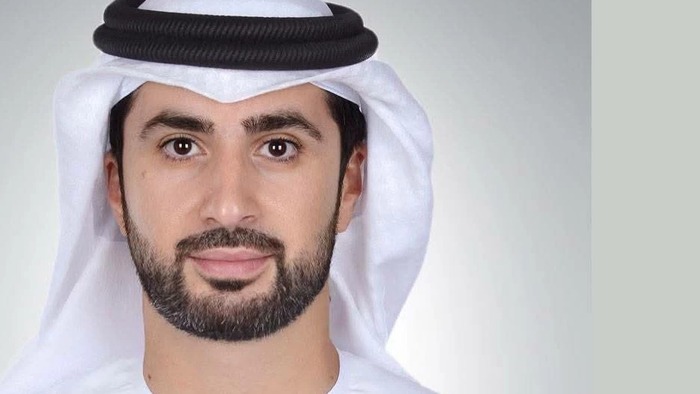
Ali Alhosani has been elected an Executive Director of the International Monetary Fund representing the Arab Group and the Maldives, becoming the first Emirati to hold one of the twenty four seats on the Fund's executive board. The appointment was reported on 2026-10-16.
The executive board is where the International Monetary Fund's day to day decisions are actually taken. It approves lending programmes, signs off the surveillance reports that assess member economies, and arbitrates the conditions attached to financial assistance. Each director represents either a single large shareholder or, more commonly, a constituency of countries that vote as a bloc. The Arab Group constituency covers a span of economies whose circumstances differ enormously, from Gulf hydrocarbon exporters running sovereign surpluses to states in acute fiscal distress, and the director's job is to carry all of their interests into the same room.
Alhosani is not new to that room. He previously served as deputy executive director of the Arab Group at the Fund, and earlier as Alternate Executive Director covering Lebanon, Somalia and Oman, working under Mahmoud Mohieldin. Those are three of the more demanding files in the constituency, and the experience means he arrives understanding the mechanics of the institution rather than having to learn them.
The significance for the United Arab Emirates is more than ceremonial. Representation on the executive board is one of the practical levers of influence inside the Bretton Woods institutions, and it has historically been held within the Arab constituency by nationals of other member states. An Emirati in the chair reflects both the country's weight as a creditor and a lender of last resort within the region and a deliberate push to place nationals in senior multilateral posts, a pattern visible across the United Nations system and the international financial institutions over the past decade.
The appointment also lands at a moment when the constituency's agenda is unusually heavy. Debt sustainability questions across the wider Middle East and North Africa, the financing needs of states undergoing reconstruction, and the Fund's continuing argument with several members over subsidy reform all sit on the executive board's table. Those are not technical matters that resolve themselves, and the director's ability to broker positions within a diverse constituency before they reach the board is a large part of the role.
The election date itself was not stated in the reporting, which gave the date on which the appointment was made public.