


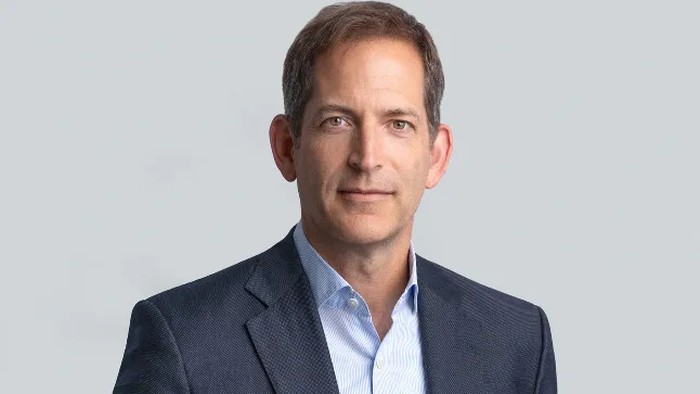
COFRA Holding has named Georg Wunderlin as its next chief executive, recruiting the head of Schroders Capital to run the Brenninkmeijer family's investment group from April of next year, subject to regulatory approval.
The appointment was announced on the tenth of November. Wunderlin will also join the board of directors. He succeeds Boudewijn Beerkens, who is retiring after eleven years at the group, eight of them as chief executive.
Wunderlin has spent around three decades in financial services. He has been chief executive of that business, the private markets arm of the London listed asset manager, and before that was global head of private assets at Schroders. Earlier he was chief executive of HQ Capital, the German private markets house.
At COFRA he will oversee the group's investment businesses, which include the private equity firm Bregal, the real estate investor Redevco and the asset manager Anthos Fund and Asset Management. The group is best known publicly for the clothing retailer C and A, which the family has owned since the nineteenth century.
The hire says something about what a large family holding company now competes for. A structure of this kind used to be judged on the operating businesses it owned; it is increasingly judged on whether its investment arms can hold their own against independent managers raising third party capital. the private equity arm and the real estate investor both do raise externally, which means the group's chief executive is running something closer to a multi boutique asset manager than a family office.
Recruiting from the private markets arm fits that reading precisely. Running a private markets platform inside a listed asset manager is an exercise in fundraising, in fee and carry economics and in managing a distribution relationship with institutional allocators, none of which is the traditional skill set of a family group chief executive. It is the skill set of a manager competing for capital.
The succession is also less of a break than some coverage has suggested. Beerkens is not a member of the founding family and has held the chief executive seat for eight years, so a professional from outside the family has already been running the group for most of the past decade. What changes in April is the profile of that professional rather than the principle of having one.
The group is headquartered in Zug, Switzerland, and its investment arms span private equity, real estate and discretionary asset management. The retail business and the investment businesses are run as separate operations under the holding structure.
The appointment is subject to regulatory approval, which the company flagged in the announcement and which is the usual condition on a chief executive change at a group whose subsidiaries hold financial services permissions in several jurisdictions.