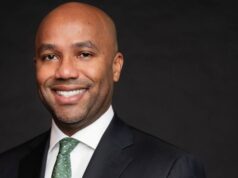



Asiamet Resources has promoted Mudit Goenka from head of corporate finance to chief executive officer, elevating the executive who has spent the past period raising money for the company into the job of spending it. The AIM-quoted copper developer announced the change by regulatory news service, with the appointment taking effect at the end of this month.
Goenka succeeds Darryn McClelland, who steps down as chief executive on the same date in an orderly handover that the company has framed as a planned transition rather than an abrupt departure. McClelland led the company through a period in which its principal asset moved from technical study work towards a development decision, and the handover to a corporate financier rather than to another mining engineer is itself the signal worth reading.
The logic is straightforward once the company's position is understood. The company holds copper assets in Indonesia, and the binding constraint on a junior developer at this stage is almost never geology or engineering. It is capital. A project that has been defined technically needs a funding package, and assembling one means negotiating with strategic investors, offtake partners, development banks and the Indonesian state in parallel. That is a corporate finance problem wearing mining clothes, and the board has appointed accordingly.
Goenka's background fits the brief closely. He was previously a director in Southeast Asia investment banking at Bank of America Merrill Lynch in Singapore, and before that a vice president in the same bank's metals and mining team for Europe, the Middle East and Africa, based in London. He holds an MBA from INSEAD and studied at Singapore Management University. The combination of a regional investment banking network and a metals and mining sector specialism is unusual in a junior mining chief executive, most of whom arrive from an operating or technical background.
The appointment carries the risks that accompany any promotion of a finance executive into a mining chief executive role. A developer approaching a construction decision needs credible operational leadership as well as funding, and the market will want to see how the executive team is balanced beneath the new chief executive. The company has signalled continuity at board level, with chairman Tony Manini remaining in place and taking on the chairmanship of the remuneration and nomination committee, which gives the incoming chief executive an experienced resources chairman to work alongside.
The company is Bermuda-incorporated, quoted on AIM in London and operating in Indonesia, a structure that is common among junior resource companies and that places particular weight on the chief executive's ability to hold three constituencies together at once. London investors, an Indonesian regulatory and permitting environment, and an international financing market each have different expectations about disclosure and pace, and the chief executive is the single point at which those expectations are reconciled.
Copper is the commodity that most clearly benefits from electrification demand, and the sector has seen sustained interest in development-stage assets from strategic buyers looking to secure future supply. That interest is real but selective. It attaches to projects with a defined resource, a credible route to permits and a management team capable of closing a financing. The appointment is best read as the board concluding that the third of those is now the item on the critical path.
The company gave no indication of a change in strategy alongside the leadership change, and McClelland's departure was announced without the language of disagreement that usually accompanies a contested exit.