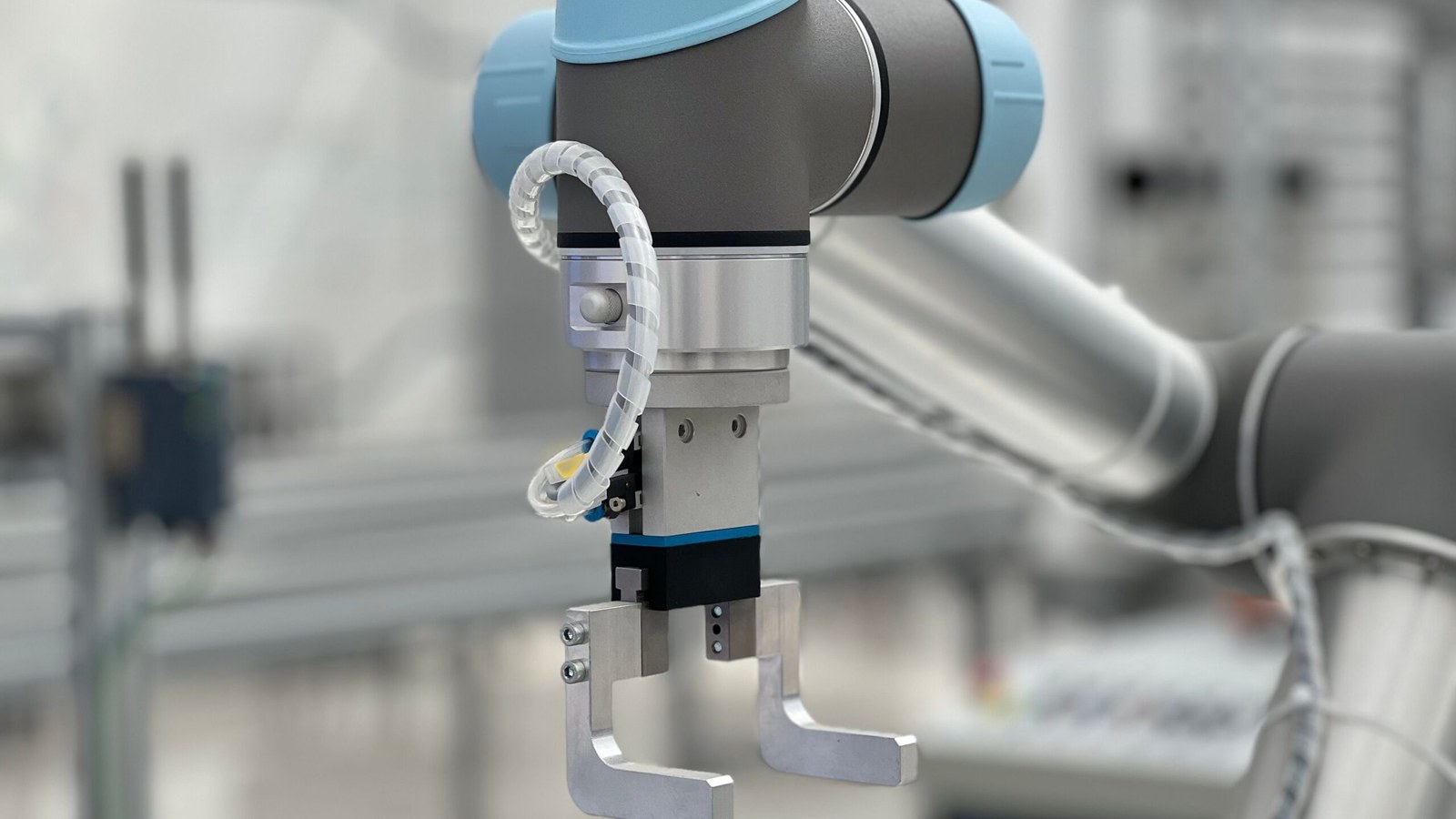
Manufacturing World Tokyo 2027 is a large business to business industrial exhibition, and the organiser has scheduled it for 16 to 18 June at Tokyo Big Sight. The year is 2027. The organiser states that the next edition will host 2,000 exhibitors and 70,000 visitors, while noting in a footnote that the exhibitor count includes co exhibiting partners, group companies and association members and is a forecast that may differ from the number present at the show. The event is not a single exhibition but an umbrella under which a set of concurrent shows runs in the same halls across the same three days, which is the format that gives it its size.
The show is organised by RX Japan GK, the Japanese arm of the RX exhibitions business, and the organiser's own pages name it as the organising entity. Running the event at Tokyo Big Sight places it in Japan's largest exhibition complex, which is what makes a show of this footprint possible in Tokyo, and the mid June date puts it in the same month as other large industrial gatherings in the Japanese calendar. The umbrella structure means a visitor registers once and moves between what are formally distinct exhibitions, and exhibitors choose which of the constituent shows they appear in.
The organiser lists twelve concurrent shows within the 2027 edition: the Design Manufacturing Solutions Expo, the Mechanical Components and Technology Expo, the Medical Device Development Expo, the Factory Facilities and Equipment Expo, the Additive Manufacturing Expo, the Measure, Test and Sensor Expo, the Manufacturing DX Expo, the Industrial ODM and EMS Expo, the Manufacturing Cyber Security Expo, the Smart Maintenance Expo, Manufacturing NEXT, and the Manufacturing and Physical AI Expo. Read together, that list describes the span of the event: component sourcing and mechanical supply at one end, and digital transformation, industrial cyber security and applied artificial intelligence in production at the other, with medical device development and additive manufacturing as distinct specialist tracks.
The audience is the engineering and commercial leadership of manufacturing businesses: design and production engineers, plant and operations management, procurement and sourcing functions, quality and maintenance leadership, and the executives above them who set capital expenditure and supply chain strategy. For suppliers the show is a selling and distribution event aimed at Japanese industrial buyers; for manufacturers it is a sourcing and technology scouting exercise. The presence of contract manufacturing and electronics manufacturing services as their own show signals that outsourcing and capacity partnerships, not only equipment purchases, are part of what gets transacted around the event.
The event matters to executives because of what Japanese manufacturing is currently working through. Japan retains a deep industrial base in precision components, machine tools, materials and automation, and it remains a critical upstream supplier to global production in sectors where substitution is slow and qualification is expensive. That base is simultaneously under pressure from a shrinking and ageing workforce, which has made automation, maintenance efficiency and digital production tools a matter of necessity rather than ambition, and the organiser's inclusion of dedicated shows for manufacturing digital transformation, smart maintenance and physical artificial intelligence reflects where that demand is being directed. For an executive buying from Japan, the show is a place to assess supplier capacity and resilience; for one selling automation, software or industrial security into Japan, it is one of the few settings where that buying population is assembled at scale.