


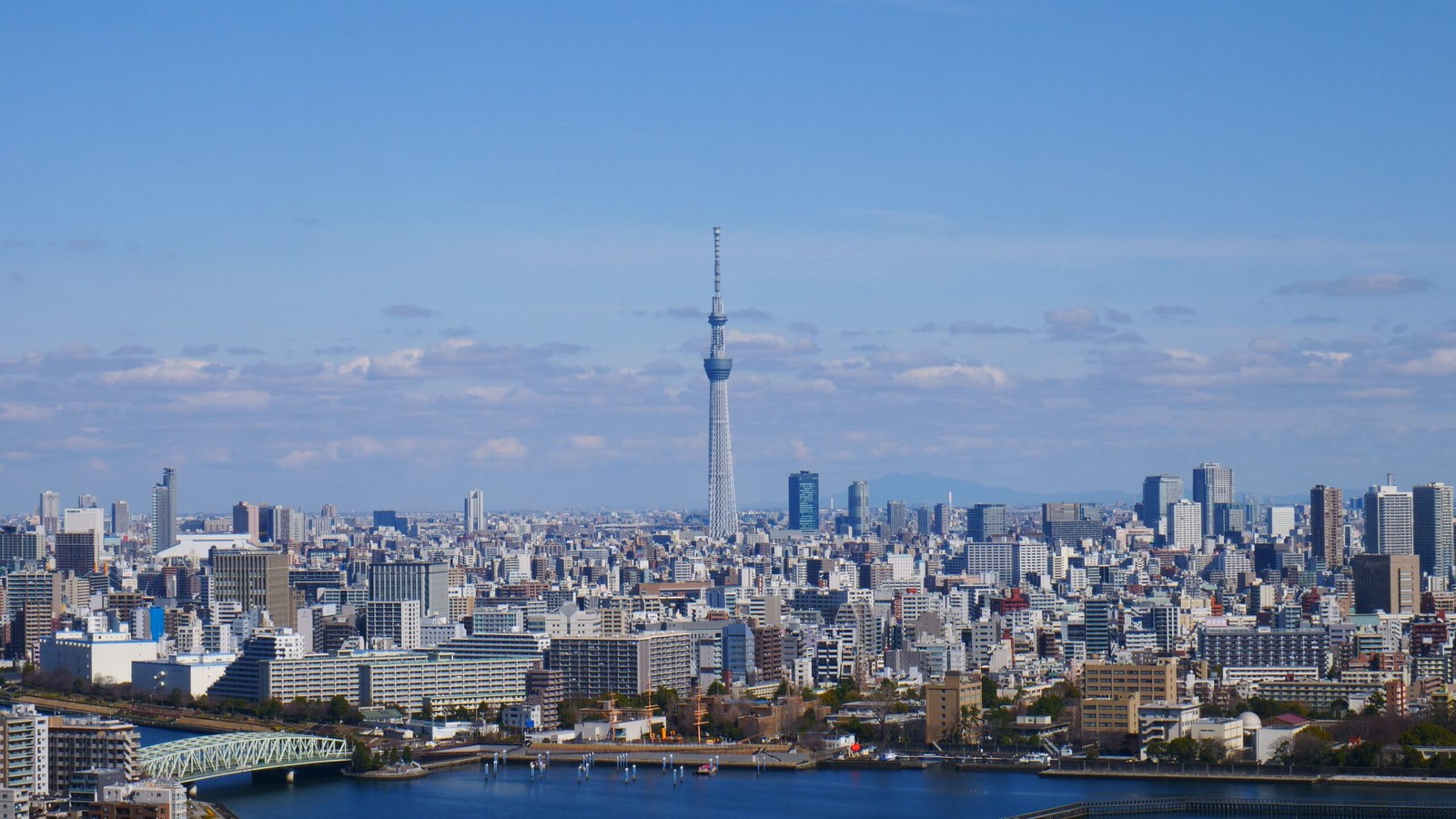
The Japan Energy Summit and Exhibition 2027 is a combined conference and exhibition on energy supply, and the organiser has scheduled it for 26 to 28 May at Tokyo Big Sight. The year is 2027. The venue is Tokyo Big Sight, the large exhibition complex on the Tokyo waterfront. The organiser presents the 2027 edition as a return to Tokyo, which places it within an established series rather than as an opening instalment. Its published figures for the event describe more than 10,000 attendees, more than 1,000 conference delegates, more than 250 speakers and more than 200 exhibitors drawn from more than 100 countries. The organiser does not state which edition those figures describe, so they are best treated as the scale at which the event presents itself rather than as a confirmed count for 2027.
The event is organised by dmg events, an international exhibitions and conferences business whose energy portfolio also includes events in the Middle East and Africa. The programme is structured around a conference element that the organiser labels a strategic summit, running alongside the exhibition floor, so the format carries both a policy and commercial discussion track and a supplier showcase within the same three days. The organiser's published listings of partners, sponsors and supporting associations for this event are explicitly presented as relating to previous editions, which means the 2027 participant set is not yet established from those pages.
The subject matter is energy supply into and within Japan and the wider Asian market. The organiser's history of supporters and sponsors, which it lists for earlier editions, is weighted towards gas and liquefied natural gas producers, buyers, traders and analytics providers, alongside Japanese utilities and industrial groups, and that composition is a reasonable indication of where the programme's centre of gravity sits. Supporting association listings published by the organiser extend across wind, hydrogen and broader clean energy bodies as well as the liquefied natural gas trade, which suggests a programme that treats conventional gas supply and transition fuels as part of one discussion rather than as separate events.
The audience is the senior commercial and strategic layer of the energy business: utility and power generation leadership, the trading houses and procurement teams that contract for fuel, producers and exporters seeking Asian offtake, infrastructure and technology suppliers, and the advisers, analysts and financiers who sit around those transactions. For executives outside Japan, the event is one of the more efficient ways to reach Japanese buyers and their decision makers in a single visit, because the domestic utilities and trading companies that dominate the country's fuel procurement are unusually concentrated.
The event matters because of Japan's structural position as a buyer. Japan is among the world's largest importers of liquefied natural gas, and it has almost no domestic hydrocarbon production, which makes its utilities and trading houses anchor offtakers whose long term contracting decisions influence pricing and project financing far beyond Japan. Japanese policy choices compound that influence, because the pace of nuclear restarts, the treatment of coal, and the country's interest in hydrogen and ammonia as combustion fuels all change how much gas Japan will need and for how long. For an executive on the supply side, those are the variables that determine whether a Japanese contract is available and on what terms; for an executive inside Japan, the same variables set the cost base of domestic industry. An event that puts the buyers, the suppliers and the analysts in one building for three days is therefore a useful place to test assumptions that are otherwise held privately.